FluxTrail – Decentralizing Transport Ticketing on the Algorand Blockchain
Summary
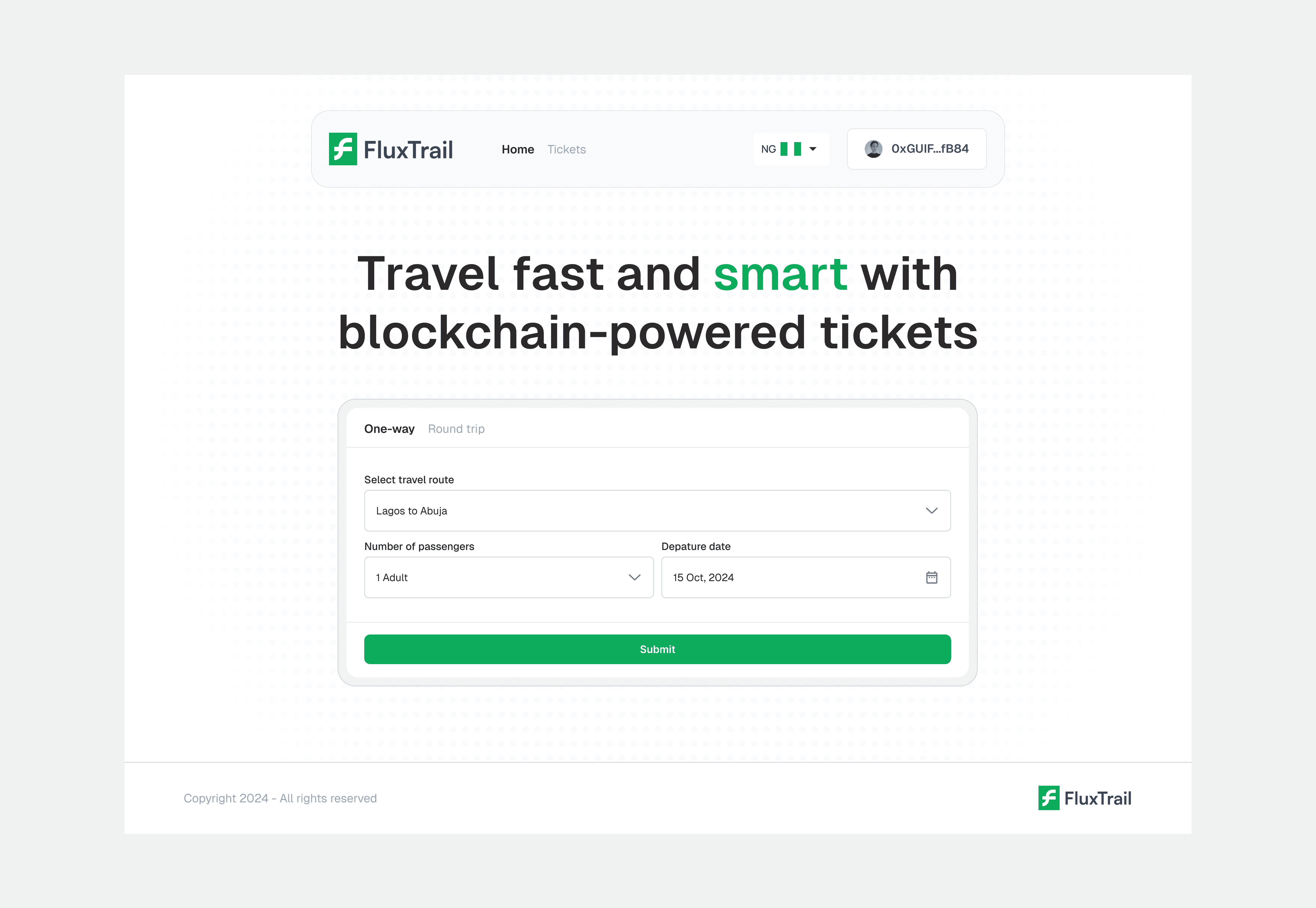
FluxTrail reimagines how people buy and validate tickets by leveraging blockchain for trust and flexibility. I joined the team as the Product Designer for the hackathon. My contributions spanned across the full design cycle. The goal was clear: making public transport ticketing secure, seamless, and anonymous through Algorand.
Problem: Centralized Ticketing Systems Created Costly Friction
As the founder framed it: "Today's transport ticketing systems suffer from centralization, inflexibility, and susceptibility to fraud, often limiting accessibility and control for users while burdening transport companies with high operational costs. The industry needs a more adaptable and secure solution that decentralizes ticket ownership, allowing users to securely share, validate, and manage their tickets independently on a blockchain platform." Key challenges we aimed to solve: • Tickets were easy to fake or resell without limits. • Riders had little flexibility or ownership of their tickets. • Transport companies faced high operational costs and inefficiencies. • Existing blockchain ticketing tools were designed for events, not everyday transport.
Design Preview
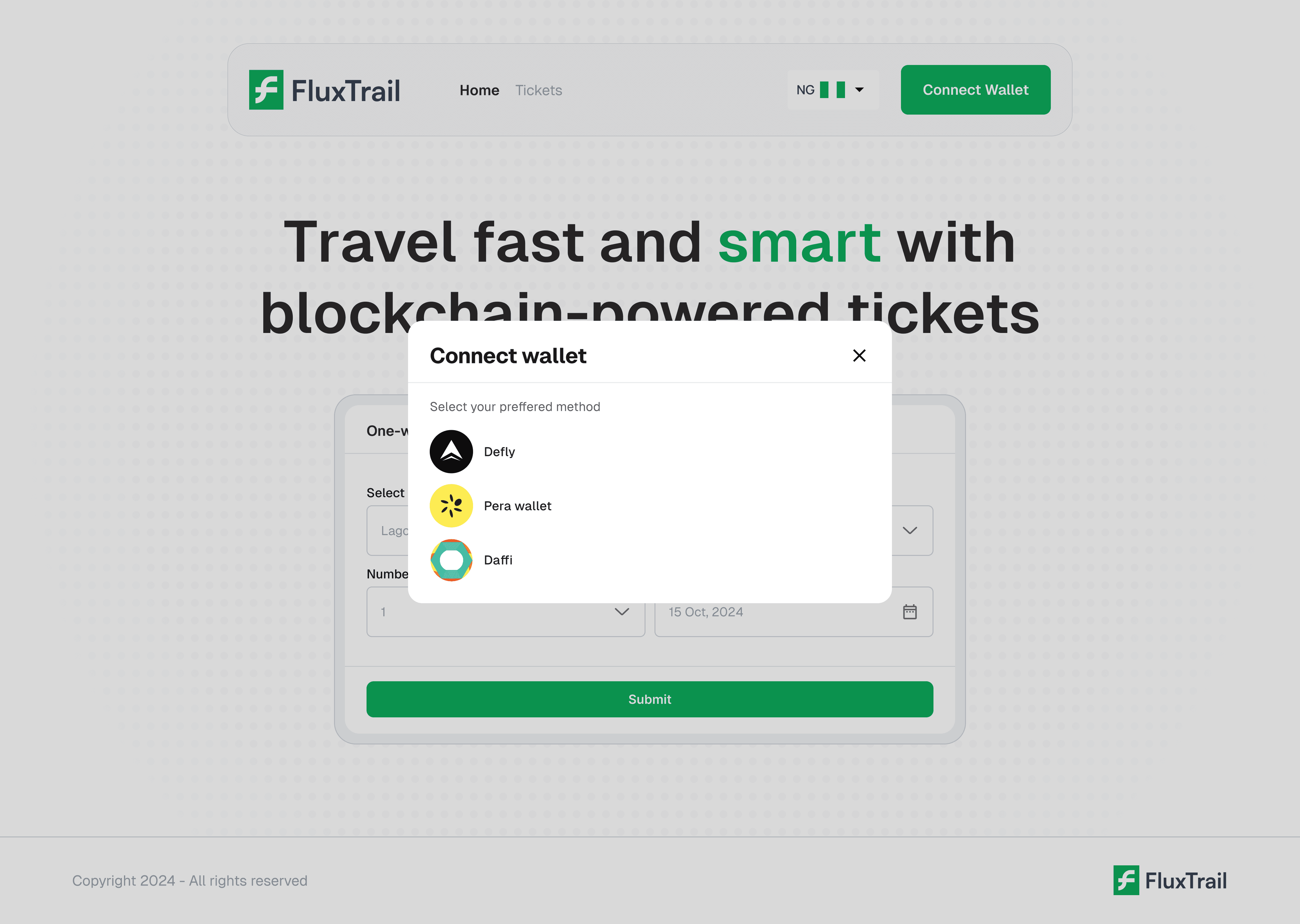
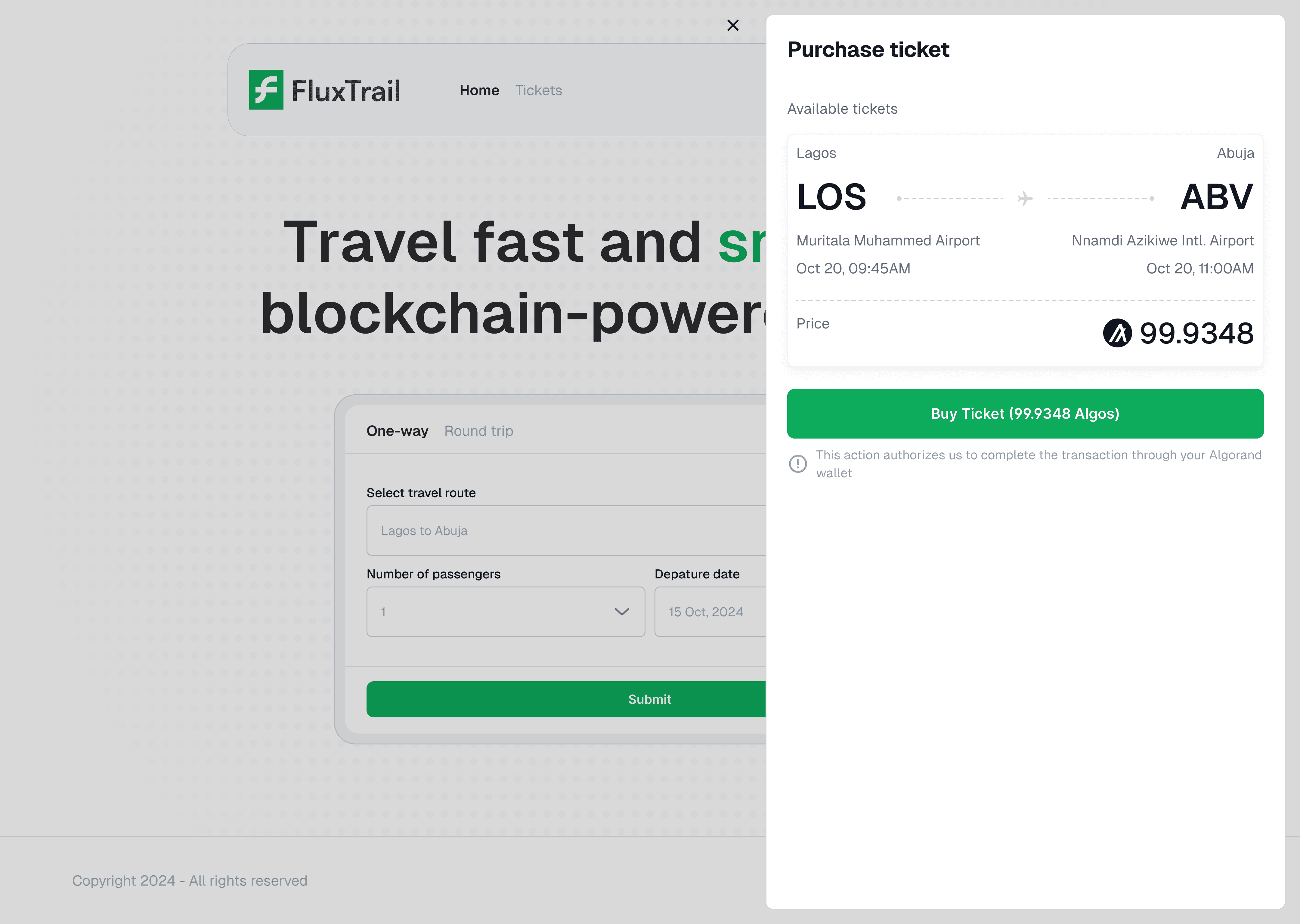
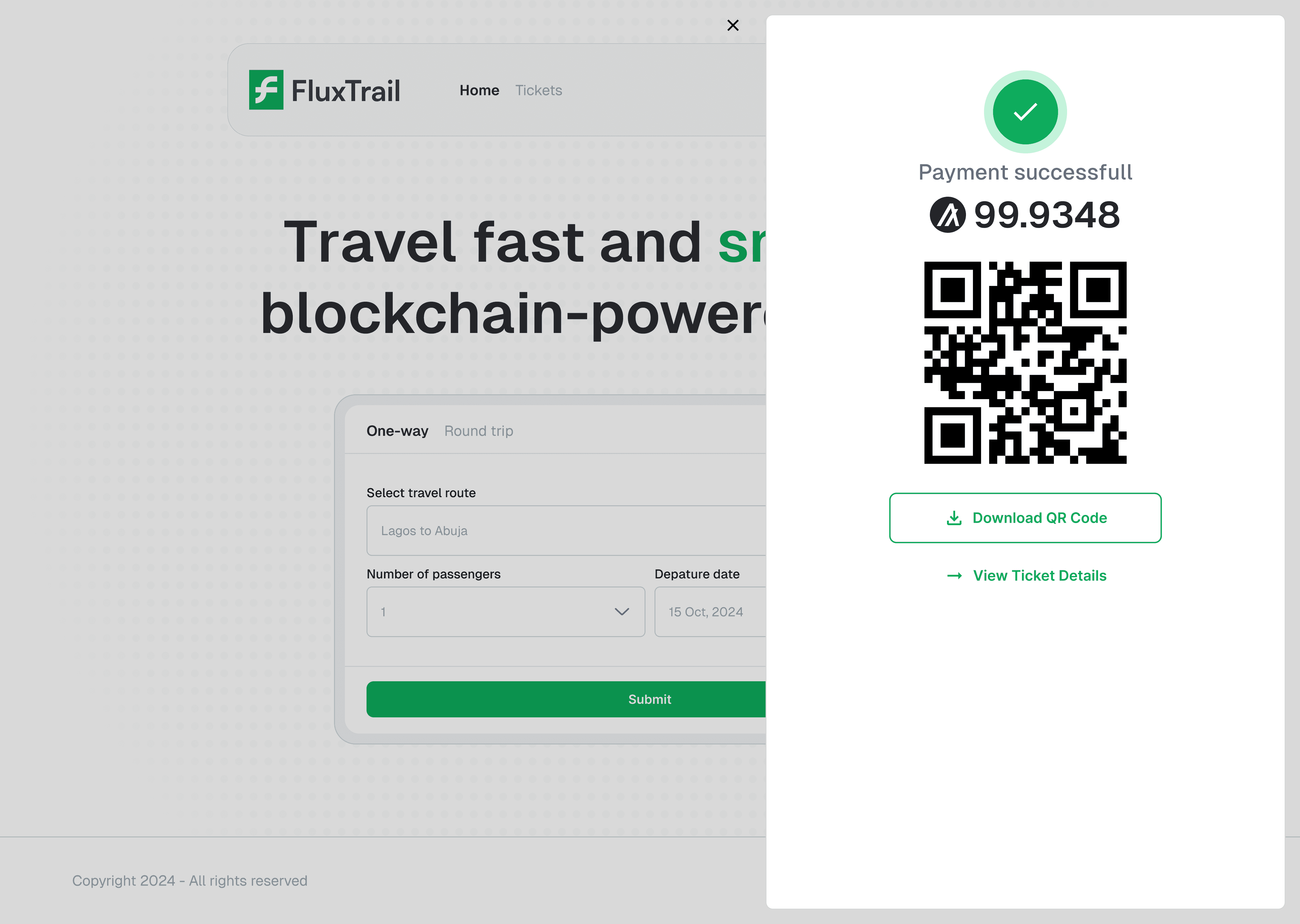
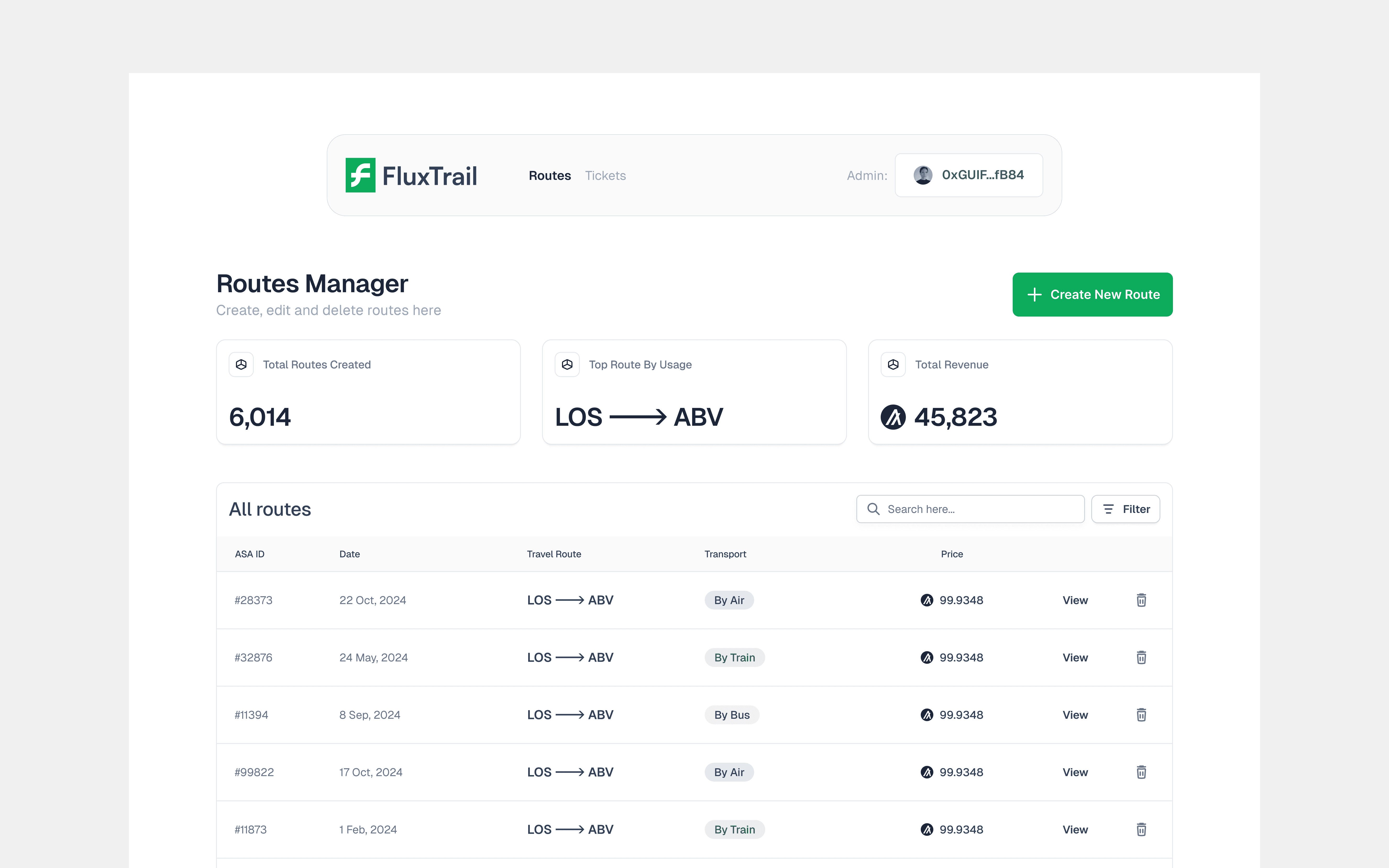
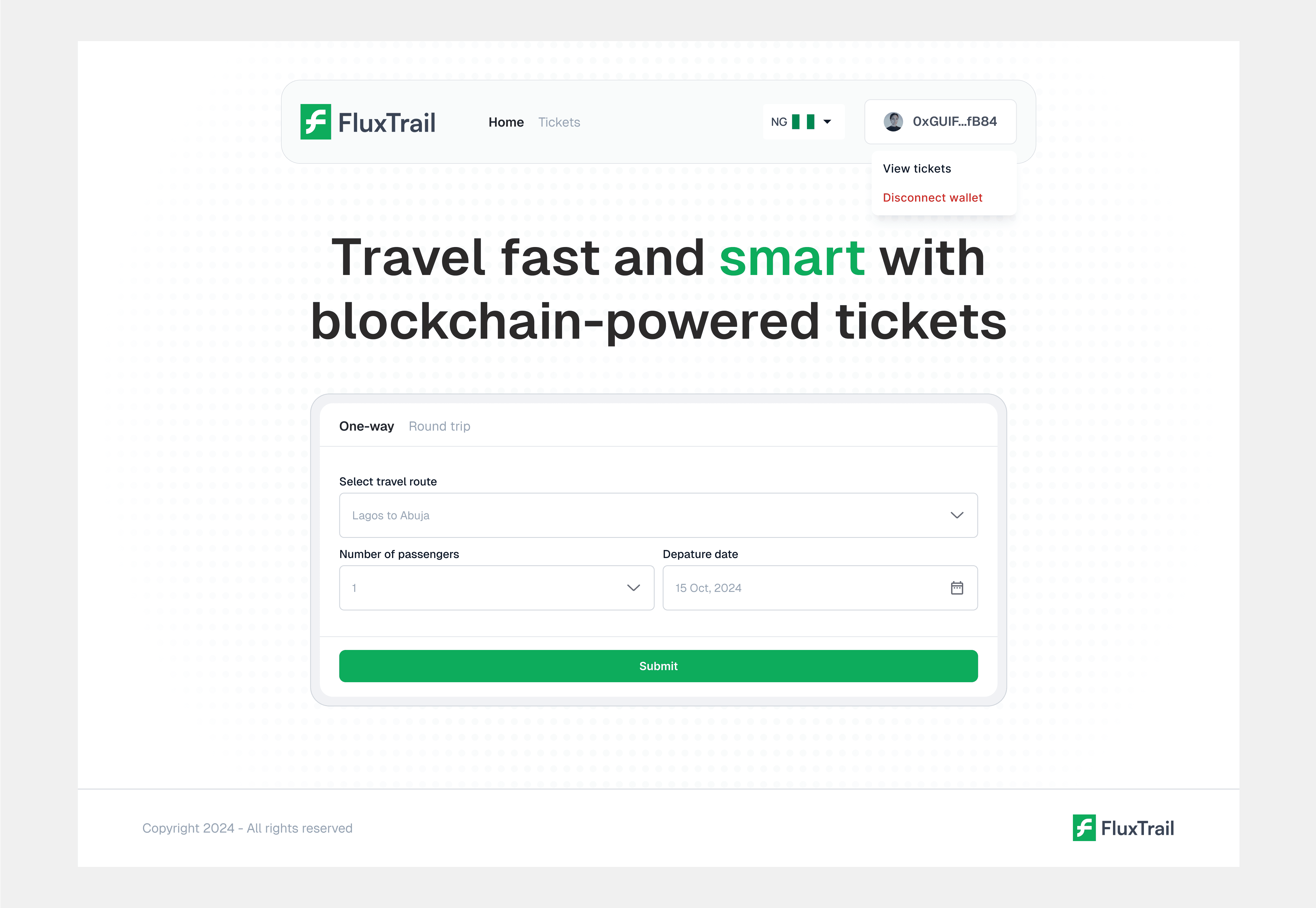
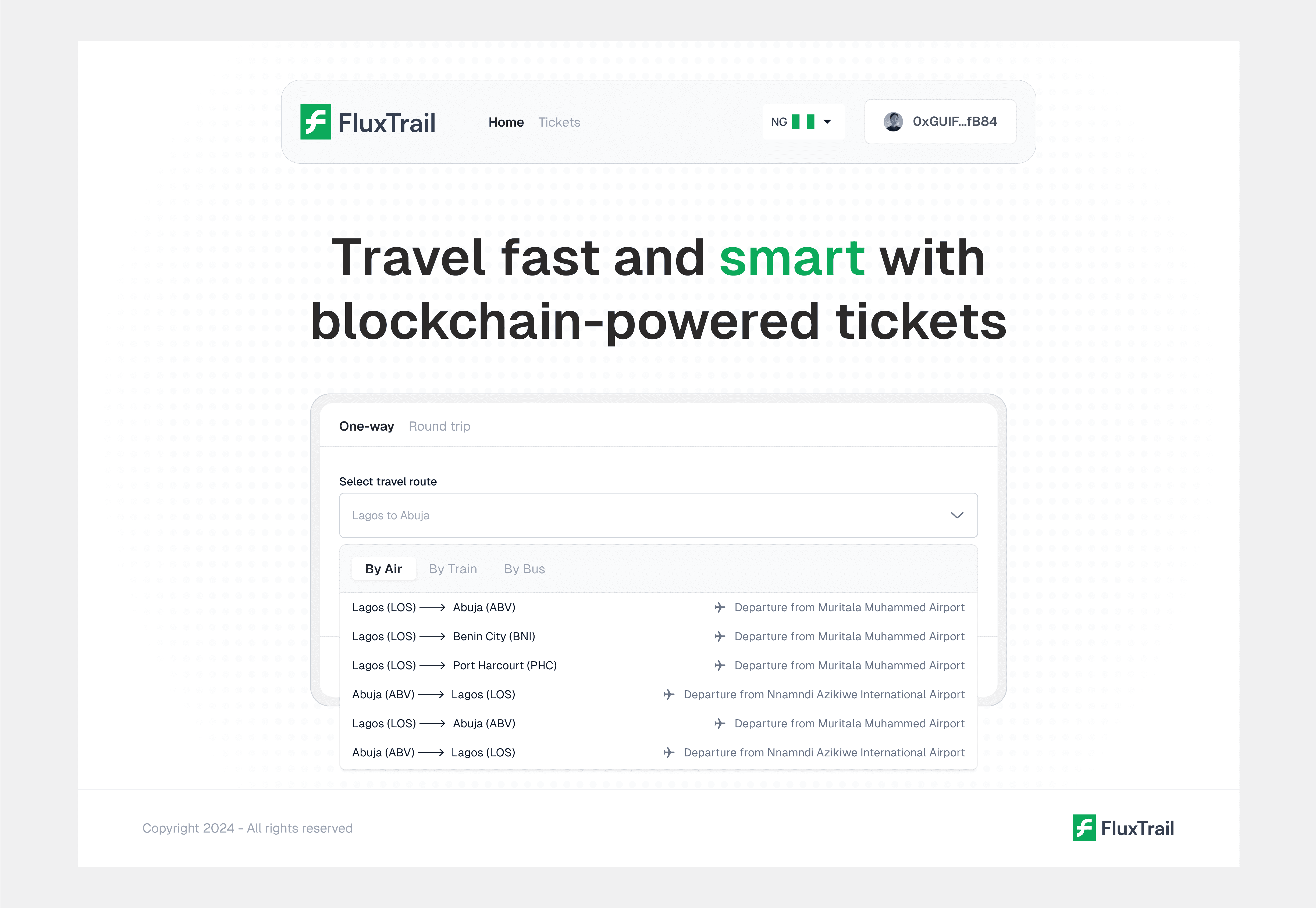
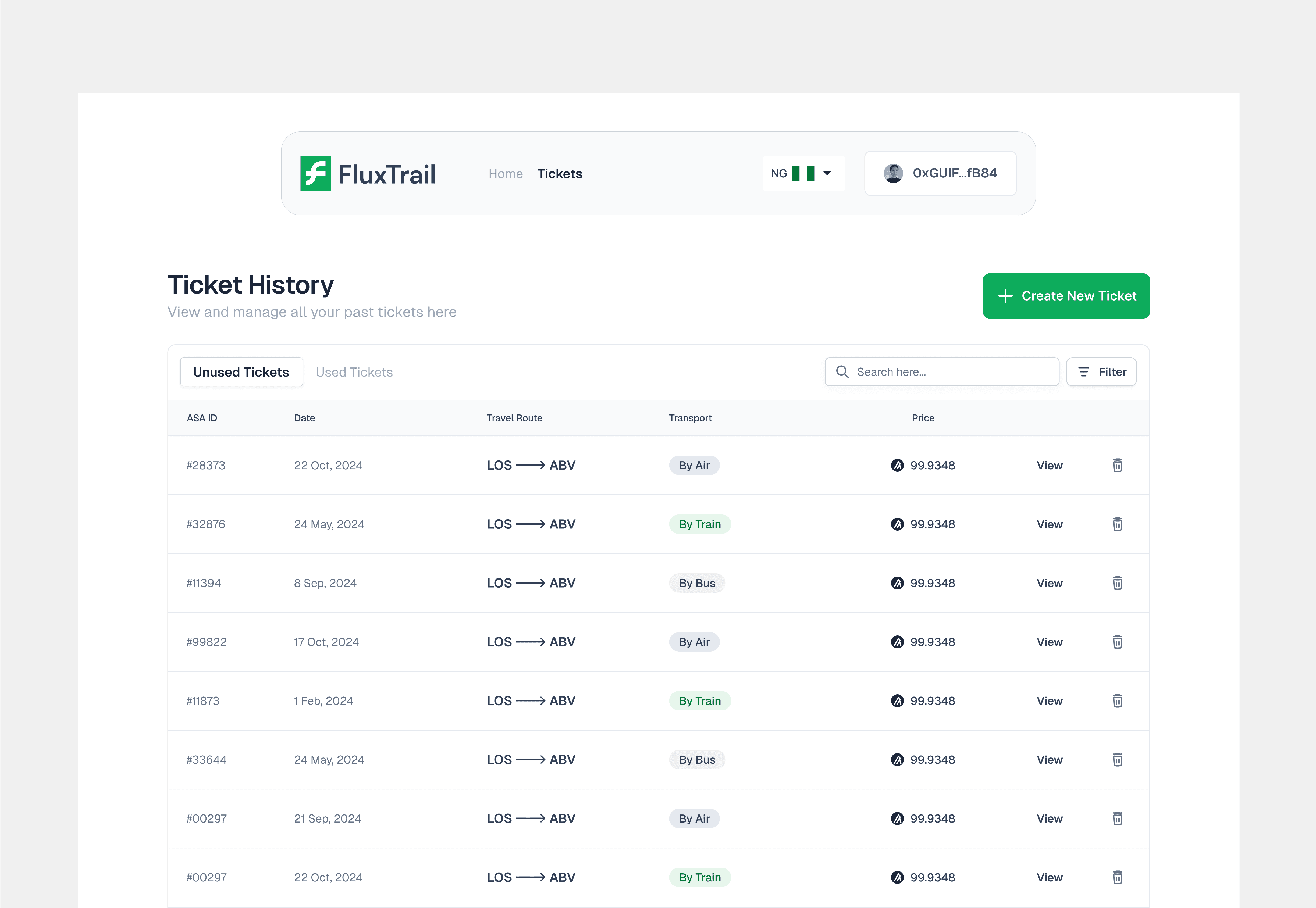
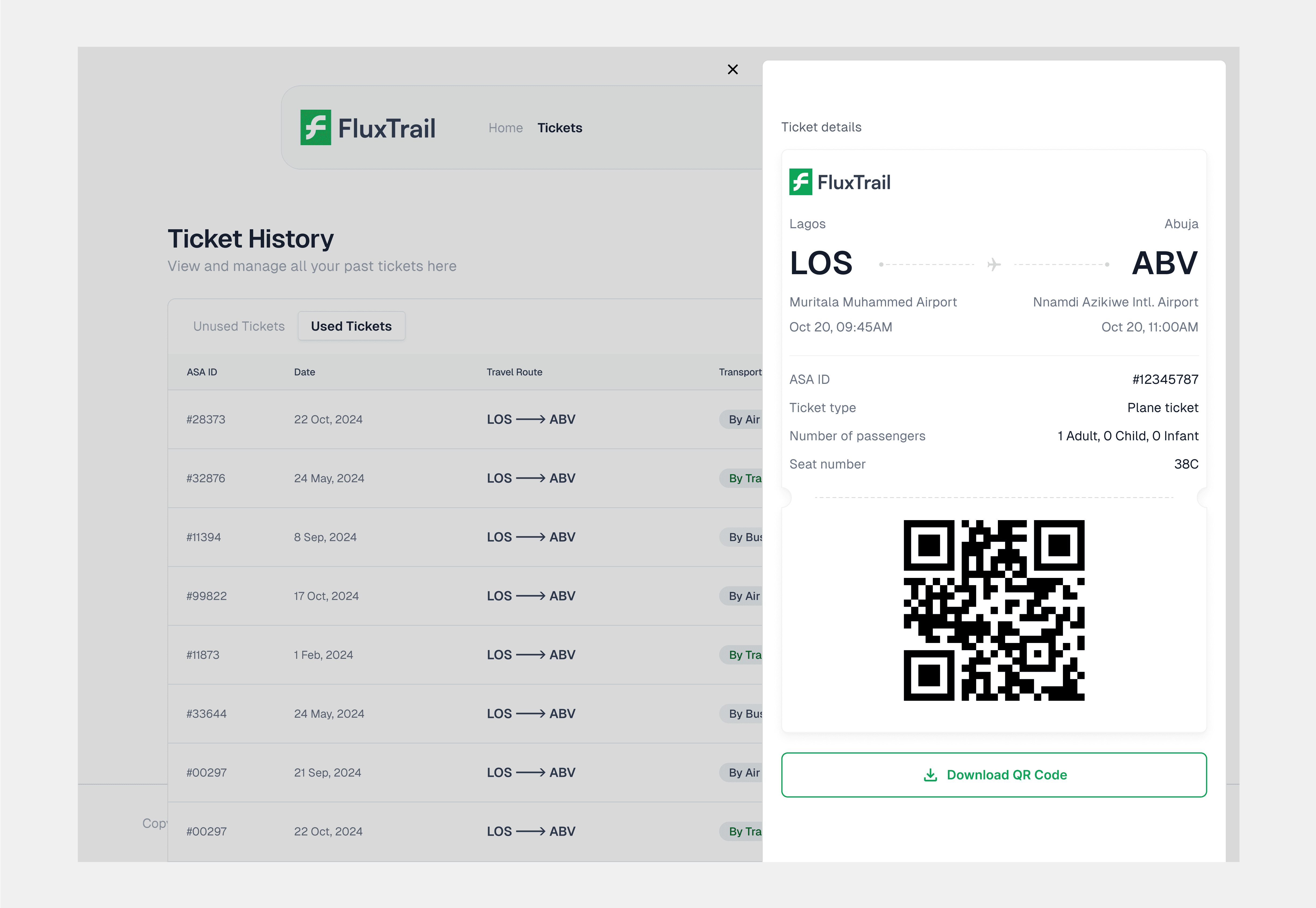
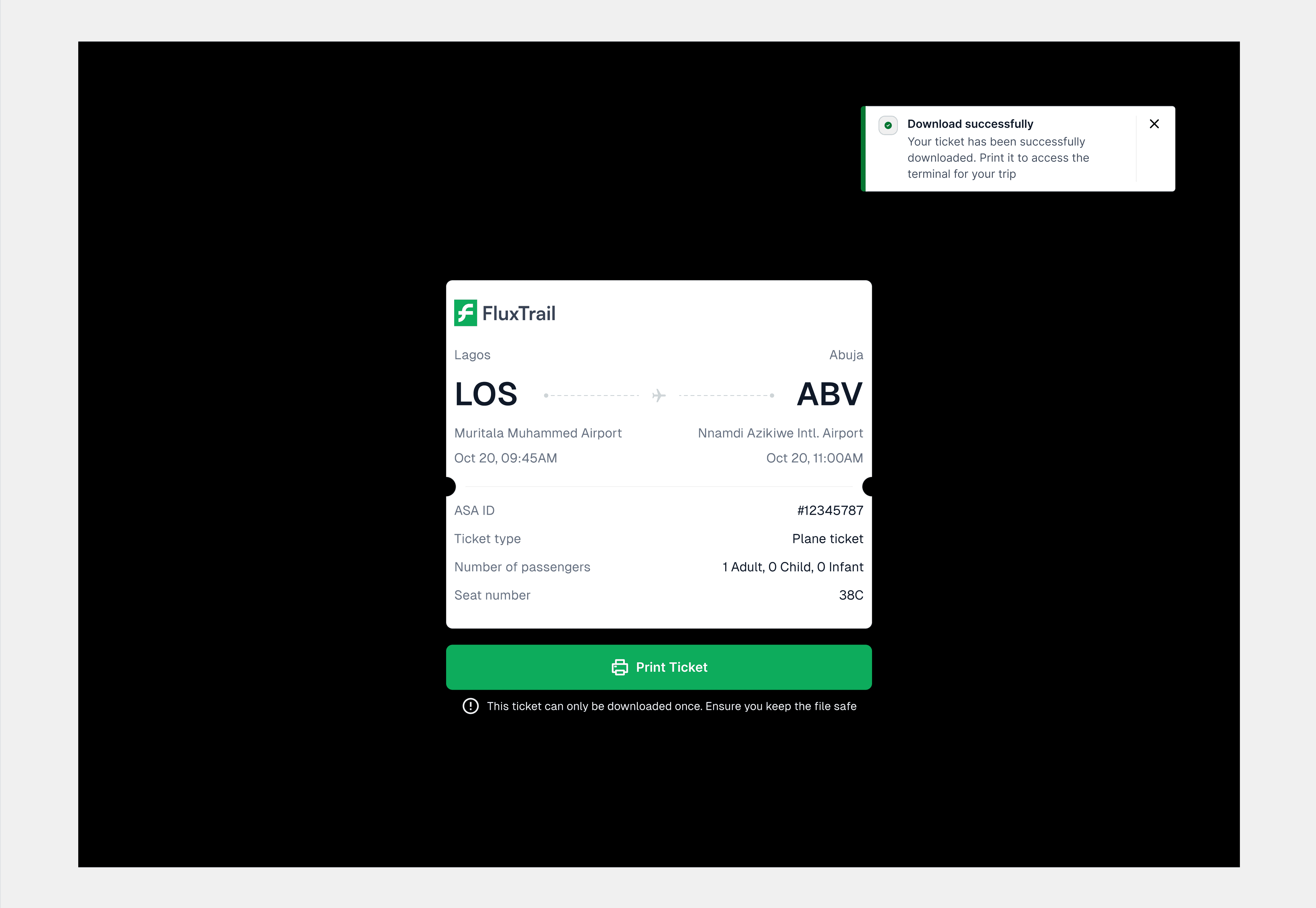
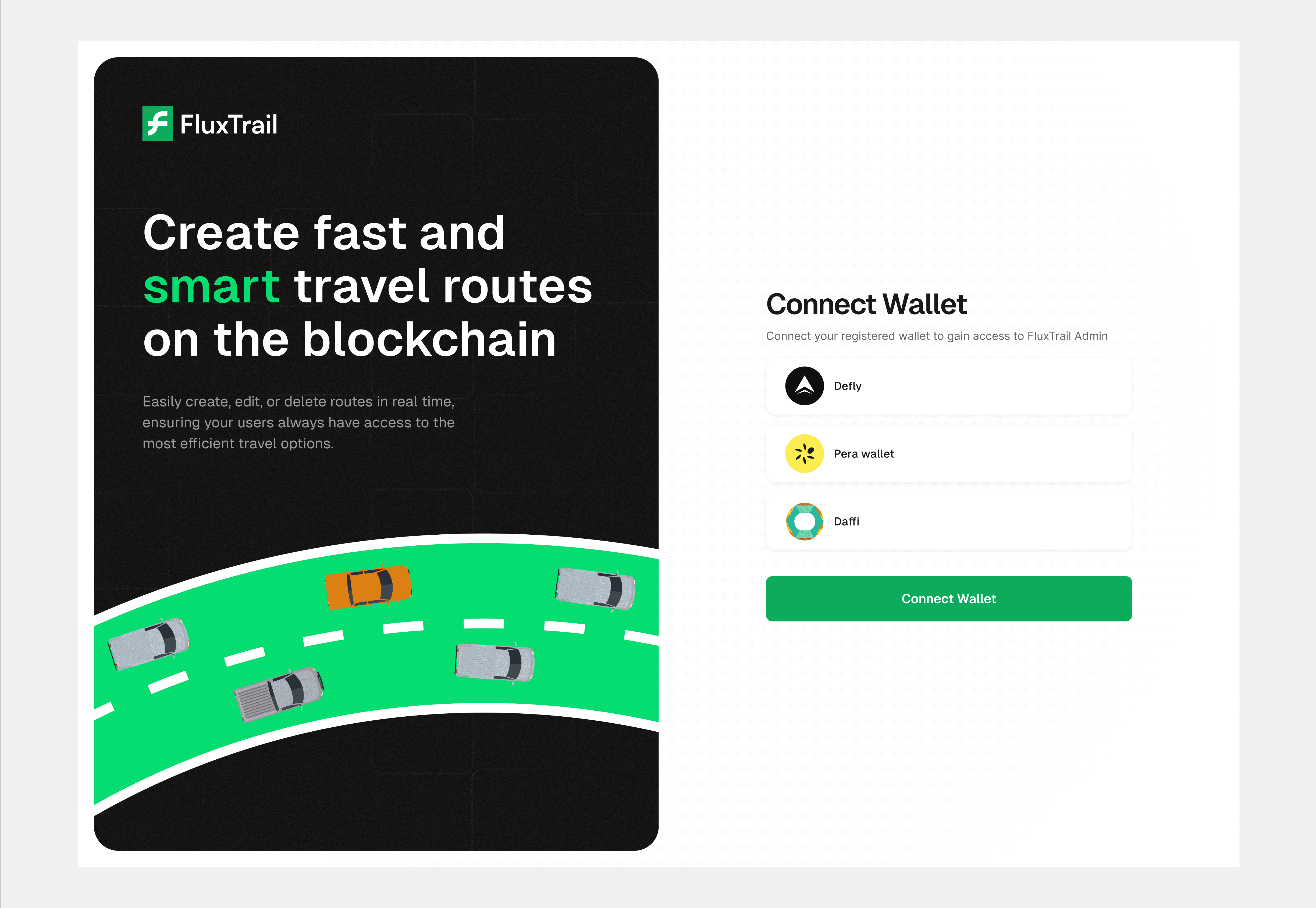
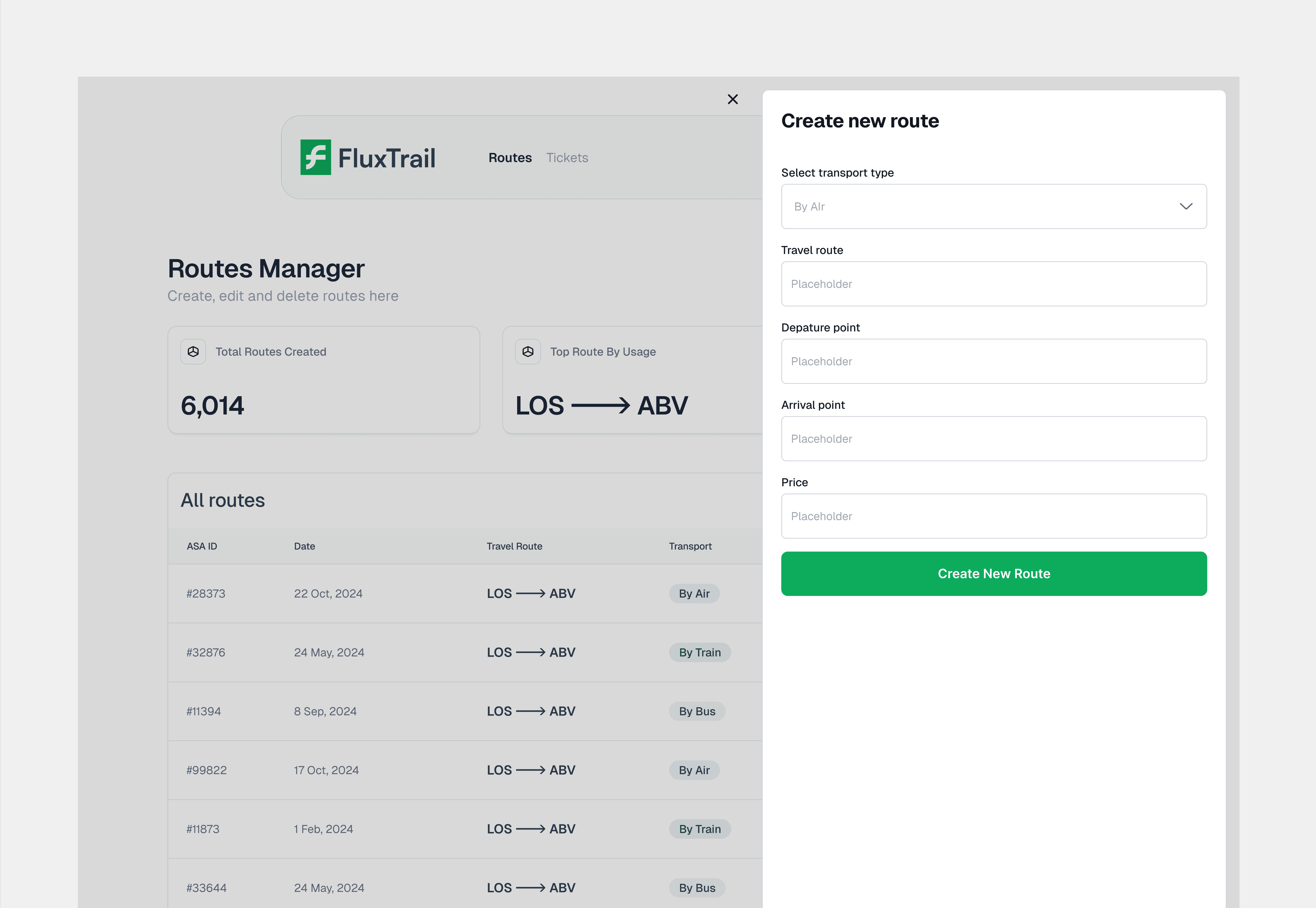
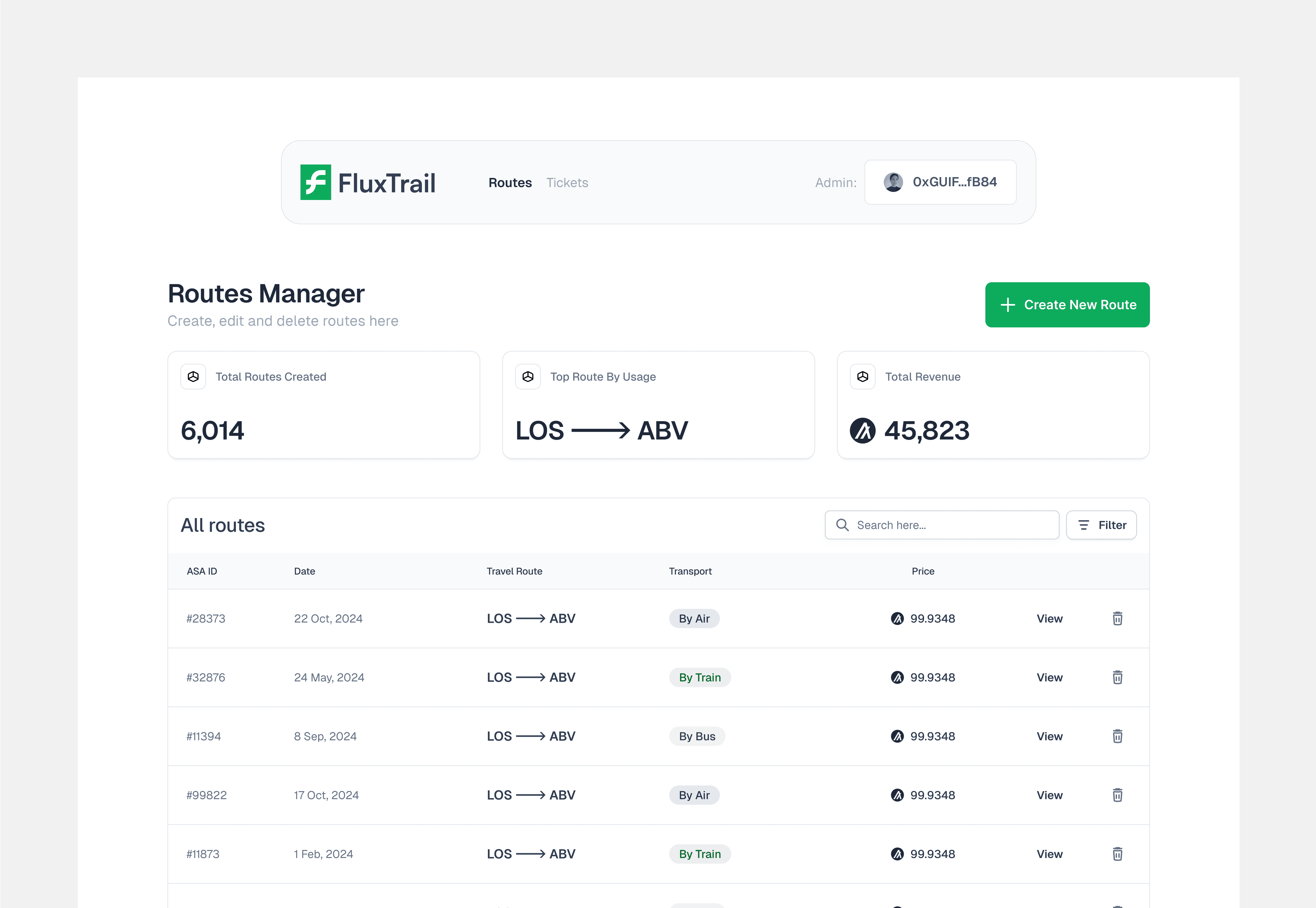
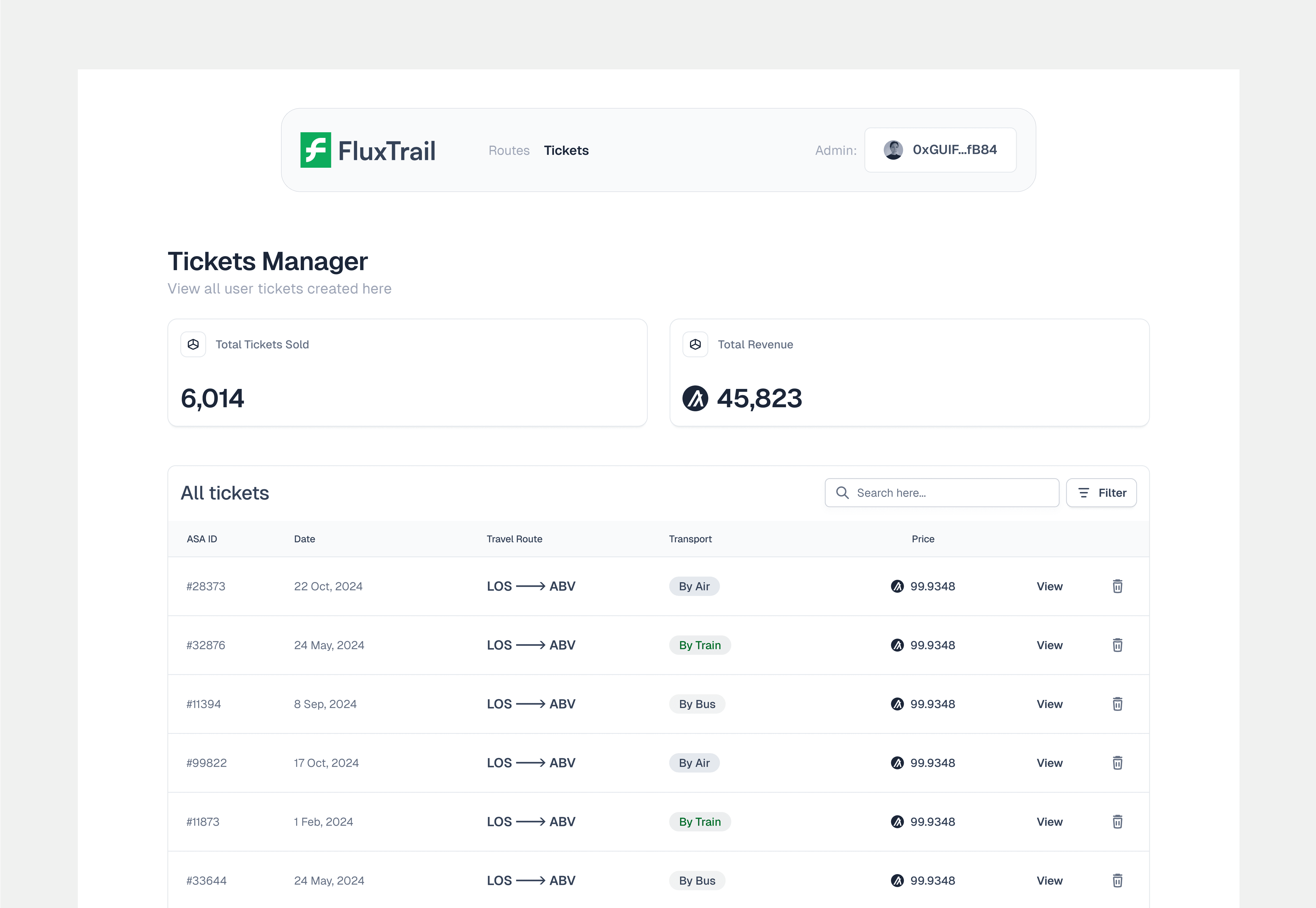
Don't wanna scroll too far? Here are snapshots of what I delivered on FluxTrail: • Wallet-based login with no personal data required • Route selection with transparent pricing • NFT tickets validated on-chain via QR codes • Admin tools for managing routes and logs
Process: Grounded in Research, Shaped by Constraints
I worked under tight hackathon timelines, so our process combined deep research with rapid internal testing. With no bandwidth for external user research, I leaned on secondary research and industry patterns to validate ideas quickly. To ground the solution in reality, I led research efforts by: • Studying blockchain ticketing use cases across transport and events. • Benchmarking wallet authentication and QR-code validation flows. • Collaborated closely with engineers to align on ASA minting and smart contract mechanics. • Ran iterative internal test cycles, refining flows and interactions under time pressure. • Benchmarking NFT-based ticketing platforms and common Web3 UI patterns.
Challenges & Learnings
As the sole designer, I had to quickly interpret blockchain-specific requirements, translate them into intuitive workflows, and adapt based on rapid team feedback during the hackathon. This experience reinforced the value of clarity, speed, and prioritization when building in emerging technologies. • I stripped back technical jargon and rephrased wallet and contract interactions into familiar, user-friendly copy. • With no external testers, I led internal feedback loops that helped refine ticket filtering, wallet modals, and admin tools within the hackathon timeframe. • I learned to ground blockchain features (NFTs, smart contracts) in familiar UI patterns so the product felt new but not intimidating.
Solution: A Seamless End-to-End Ticketing Experience
FluxTrail transformed complex blockchain mechanics into a rider-friendly product. The solution rested on three pillars: decentralization, accessibility, and flexibility. • Decentralized and Transparent: Each route operates through its own smart contract, removing central authorities and reducing fraud. • Accessible and Low-Cost: Payments in Algos kept fees low and made tickets available to underbanked users. • Flexible, Shareable Tickets: NFT-based tickets could be securely shared or resold until used, then automatically frozen in the wallet. How It Works: • Route Creation: Transport companies create routes with details like departure, arrival, medium, and price. Each route generates a unique smart contract. • Ticket Purchase: Riders select a route and interact with its contract to buy. After blockchain verification, an NFT ticket is issued to their wallet. • Ticket Usage: Tickets remain transferable until validated. Once used, the contract freezes it, and users can later burn the ticket to clean up their wallet. Key Features: • Smart contracts for transparent route management. • NFT-based, transferable tickets. • Instant, secure payment validation. • Burnable tickets to keep wallets organized.
Results & Impact: Recognition and Real-World Potential
FluxTrail went beyond design exploration and earned validation in the field: • Secured a winning position at the Algorand Nigeria Hackathon, with funding to further develop the idea. • Reduced fraud risk through blockchain-backed validation. • Enabled anonymous travel with no personal data collected. • Simplified admin workflows for multi-route management. • Positioned to scale across multiple cities and providers within the Algorand ecosystem.
Looking Ahead: Next Steps
From a design perspective, the next phase is about refining the experience for real-world adoption. My focus would be on evolving FluxTrail from a hackathon prototype into a user-ready platform by addressing gaps in usability, accessibility, and scale. • Extend the web-first flows into native mobile apps to better support on-the-go ticket purchases and scanning. • Build out more advanced design for route analytics, reporting, and real-time monitoring to support transport providers at scale. • Work with the team to design and run pilot usability tests with real transport companies, capturing insights to further refine flows before scaling.
Other projects
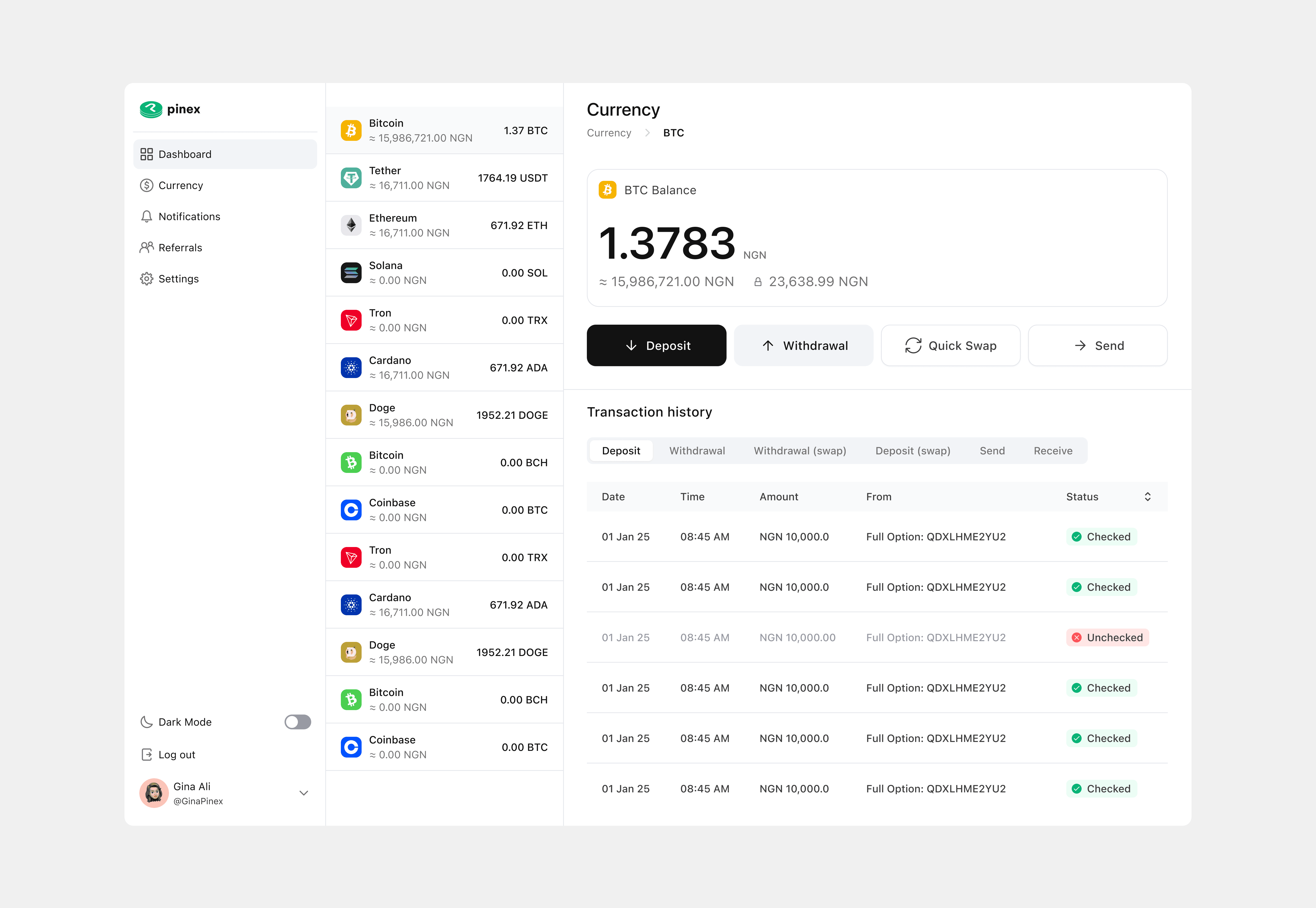
A Crypto Exchange That Almost Was: Lessons from Designing a Multi-Currency Crypto Exchange
Designed a market-fit crypto experience that simplified deposits, swaps, and withdrawals

My 2+ Year Journey at BlockTremp, Designing Learning Experiences that Drove Real Results and Industry Recognition
Led Product, Marketing & Brand Design at Africa BlockChain Alliance on a project called BlockTremp; making tech education accessible to everyday users
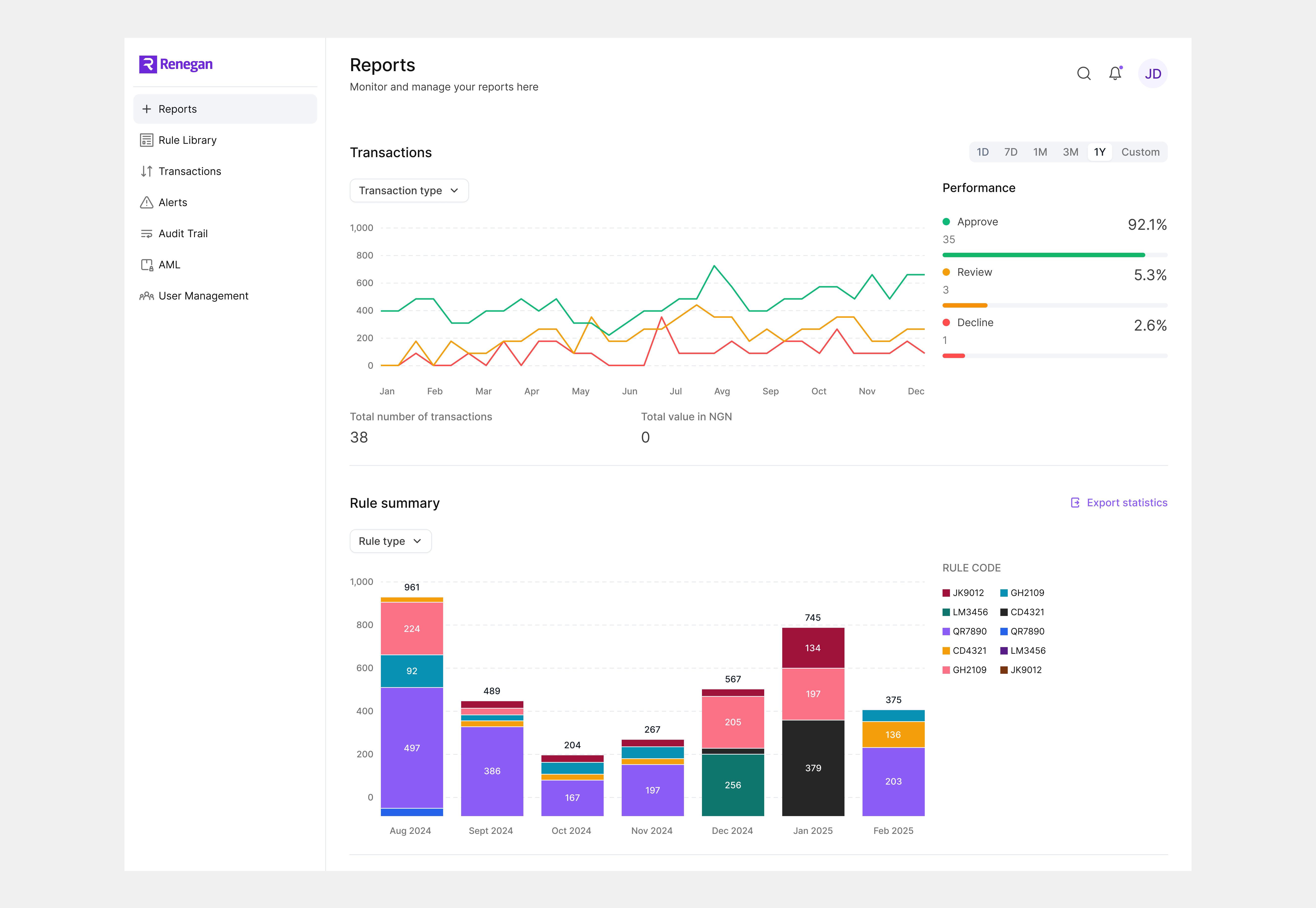
Renegan – Designing a Real-Time Fraud Detection Platform for Banks and Fintechs
Designed Renegan's end-to-end fraud monitoring platform from the ground up—dashboard, rule builder, alerts, AML screening, and onboarding—helping banks and fintechs detect fraud in real-time before launch.
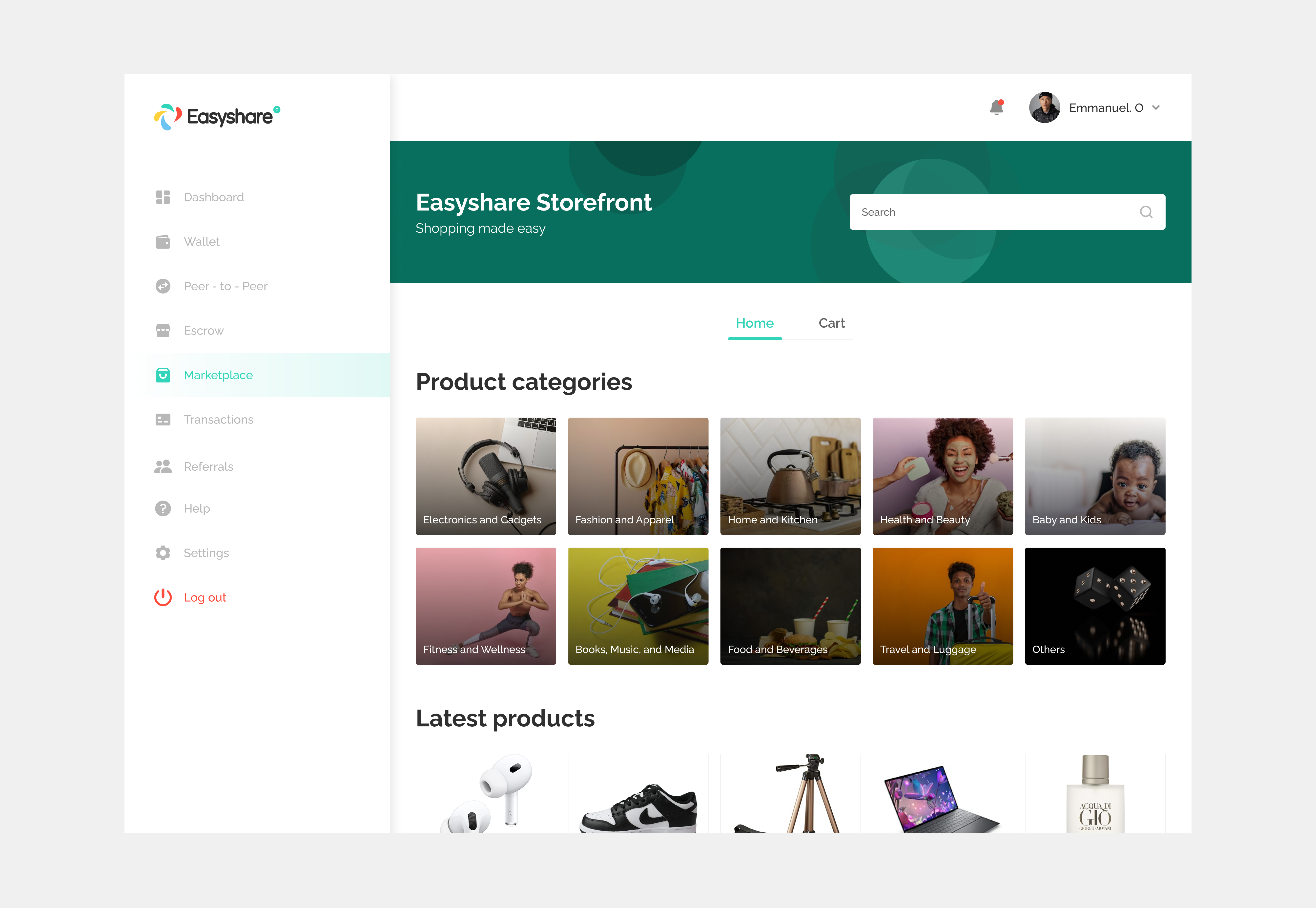
Easyshare.Global – Remodelling the Invoicing Experience to Fit New Business Goals
Redesigned Easyshare's invoicing system to reduce seller friction, introducing Invoice Clone and Seller Storefront features that drove 30% faster invoice creation and 25% increase in monthly active users.
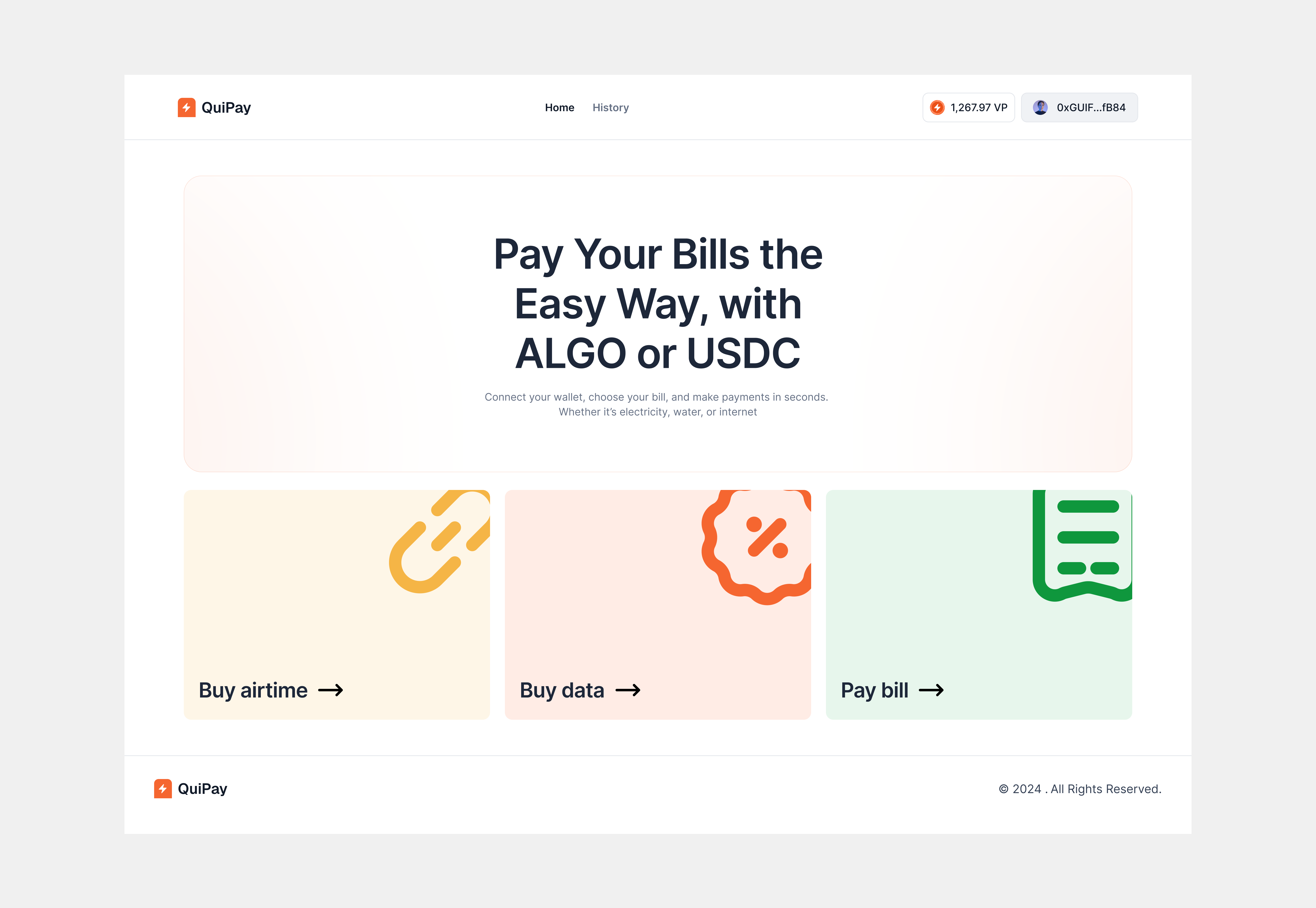
QuiPay – Designing Seamless Everyday Bill Payments with Crypto
Designed QuiPay's fintech experience to simplify payments, boost user confidence, and drive higher transaction completion rates