Renegan – Designing a Real-Time Fraud Detection Platform for Banks and Fintechs
Summary: Building a Real-Time Fraud Detection Platform
Renegan is a real-time transaction and fraud monitoring platform built for banks, fintechs, betting companies, and gaming platforms. I joined as the sole product designer in December 2024 and led the design from the ground up until March 2026. The platform helps businesses detect fraud in milliseconds using multi-layered checks (IP, device, location, velocity) combined with custom rules and machine learning. My work spanned the full product: onboarding flows, the main dashboard, rule library, alerts system, and AML screening interfaces. With digital transactions moving at unprecedented speeds, traditional fraud systems were too slow and generated too many false positives. Renegan was built to anticipate fraud, not just react to it.
Problem: Traditional Fraud Systems Were Failing Businesses
Traditional fraud detection systems were failing businesses in critical ways: • Too many false positives: Existing systems flagged legitimate transactions, frustrating users and overwhelming analysts • Lack of real-time updates: Fraud was detected after the damage was done, not prevented • Inflexible rules: Systems couldn't adapt to new fraud patterns or allow custom detection logic • Poor user experience: Complex interfaces required extensive training and slowed down fraud analysts Businesses faced financial losses, reputational damage, and eroded customer trust. There was a clear need for an intelligent system that detects and stops fraud before it becomes a major issue.
Design Preview
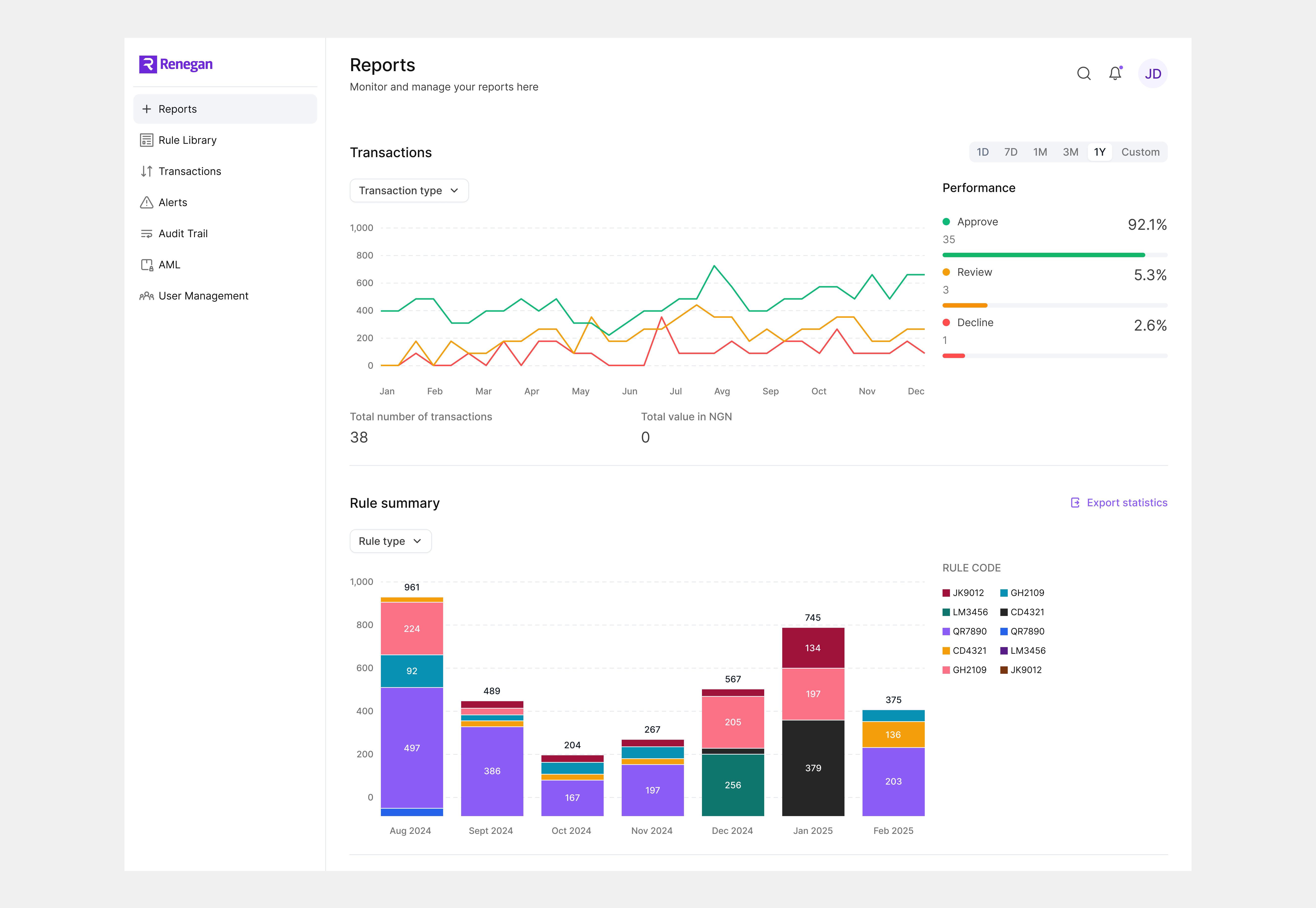
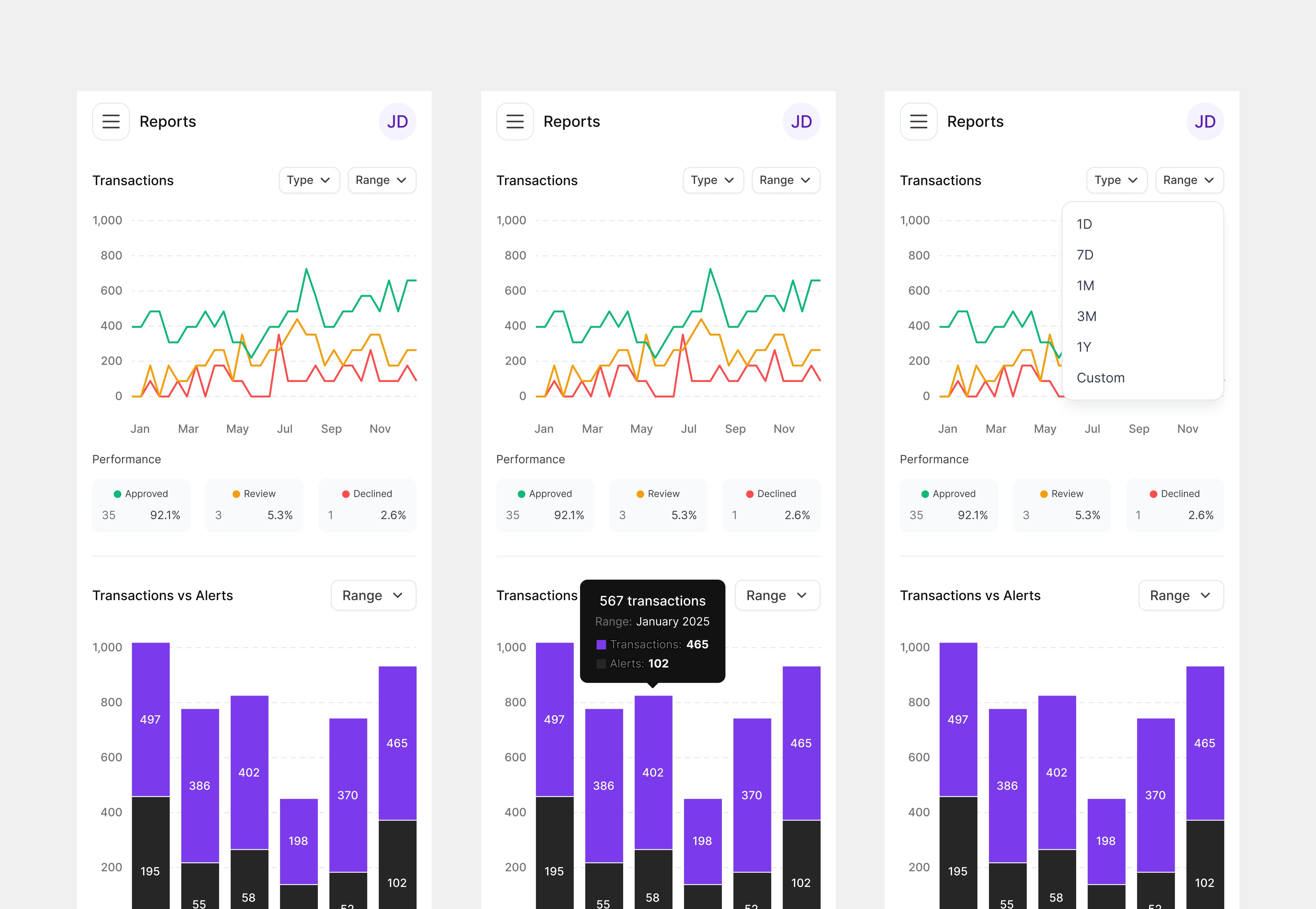
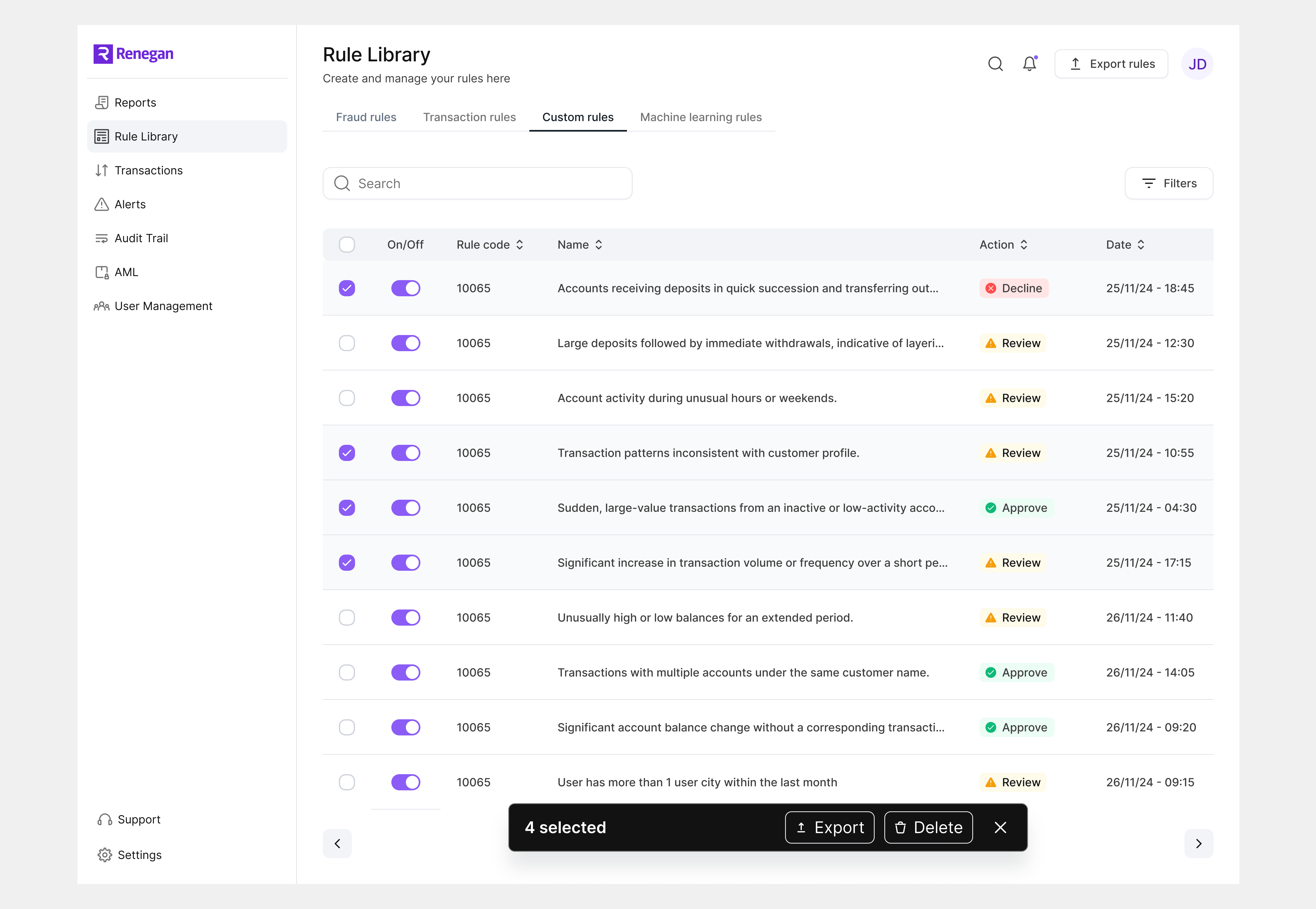
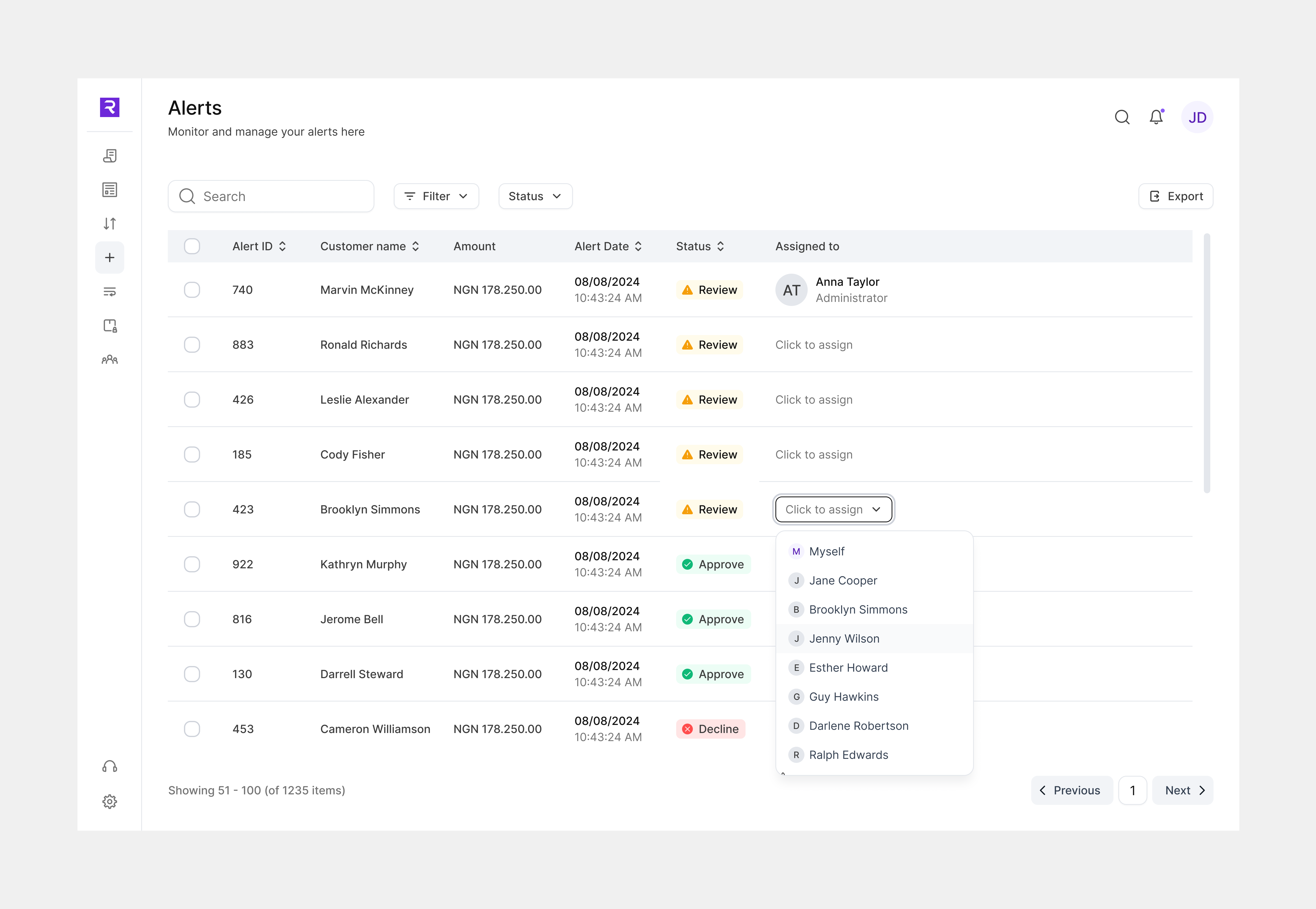
Key deliverables I designed: • Dashboard: Real-time overview of transaction volume, flagged transactions, alerts, and fraud trends • Rule Library: Drag-and-drop rule builder for creating custom fraud detection logic without code • Alerts System: Configurable notifications with priority levels and multi-channel delivery • AML Screening: Anti-money laundering checks integrated into the transaction pipeline • Onboarding Flow: Guided setup including role selection, 2FA, welcome tour, and initial configuration
Approach: Making Complex Fraud Workflows Accessible
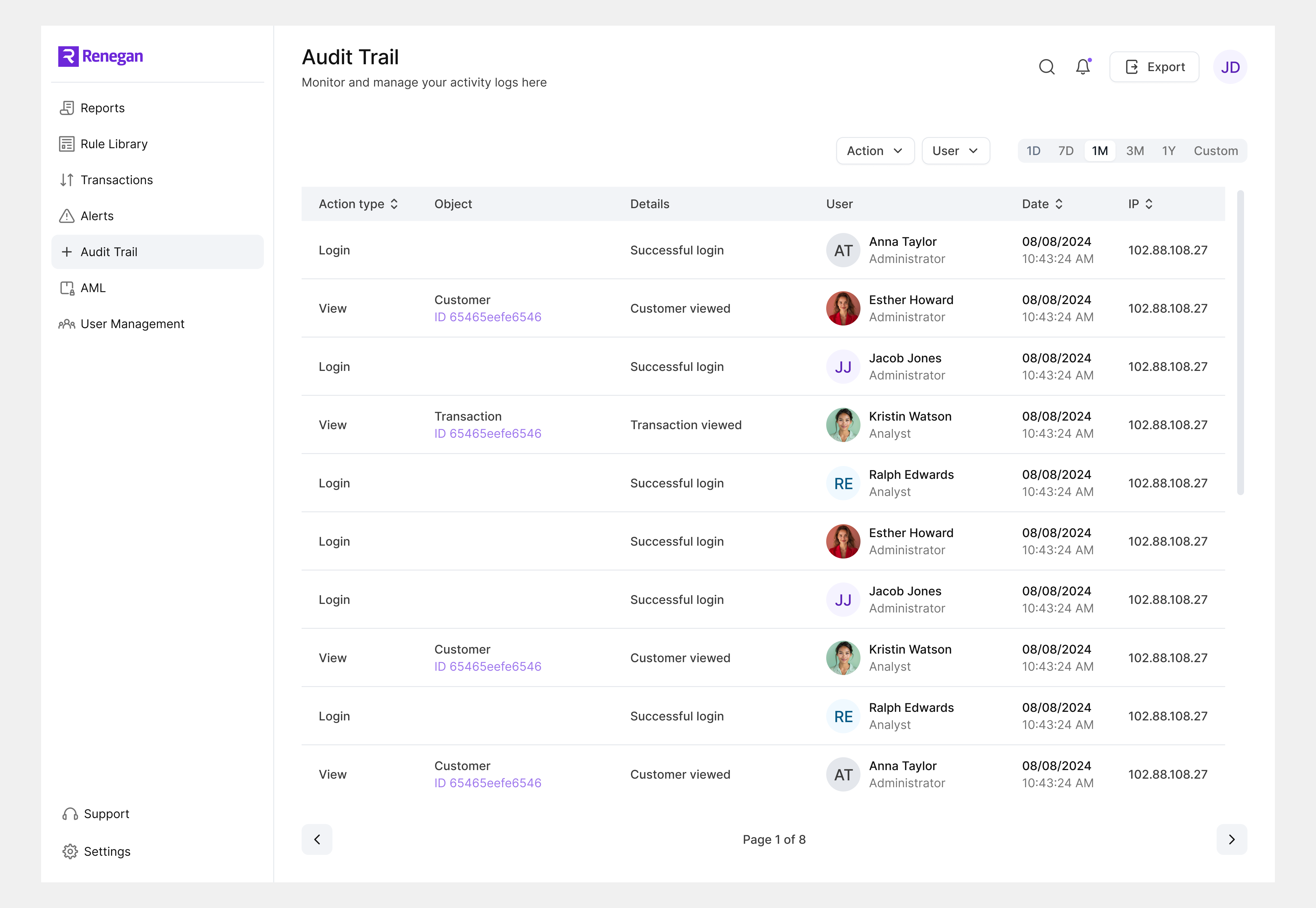
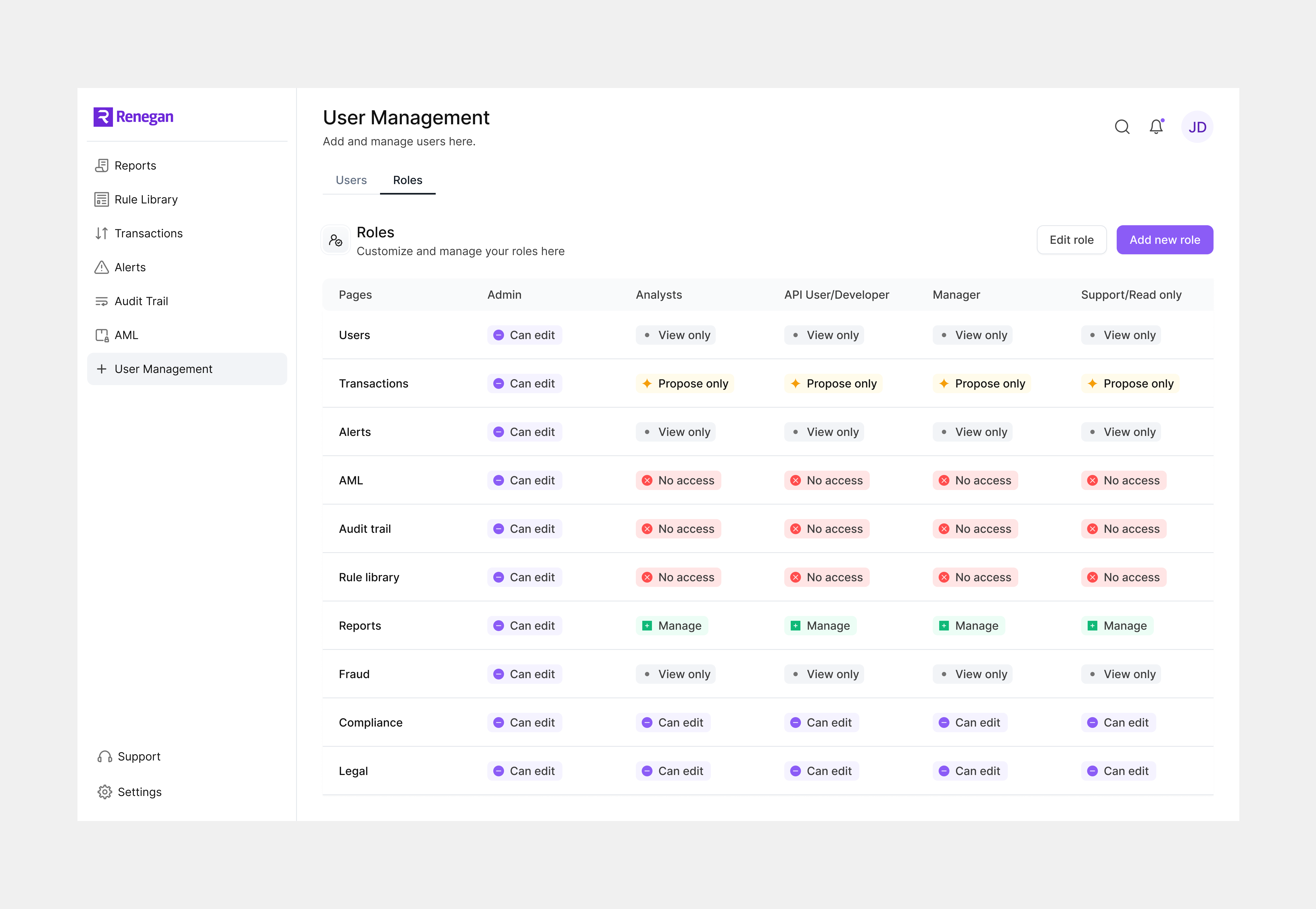
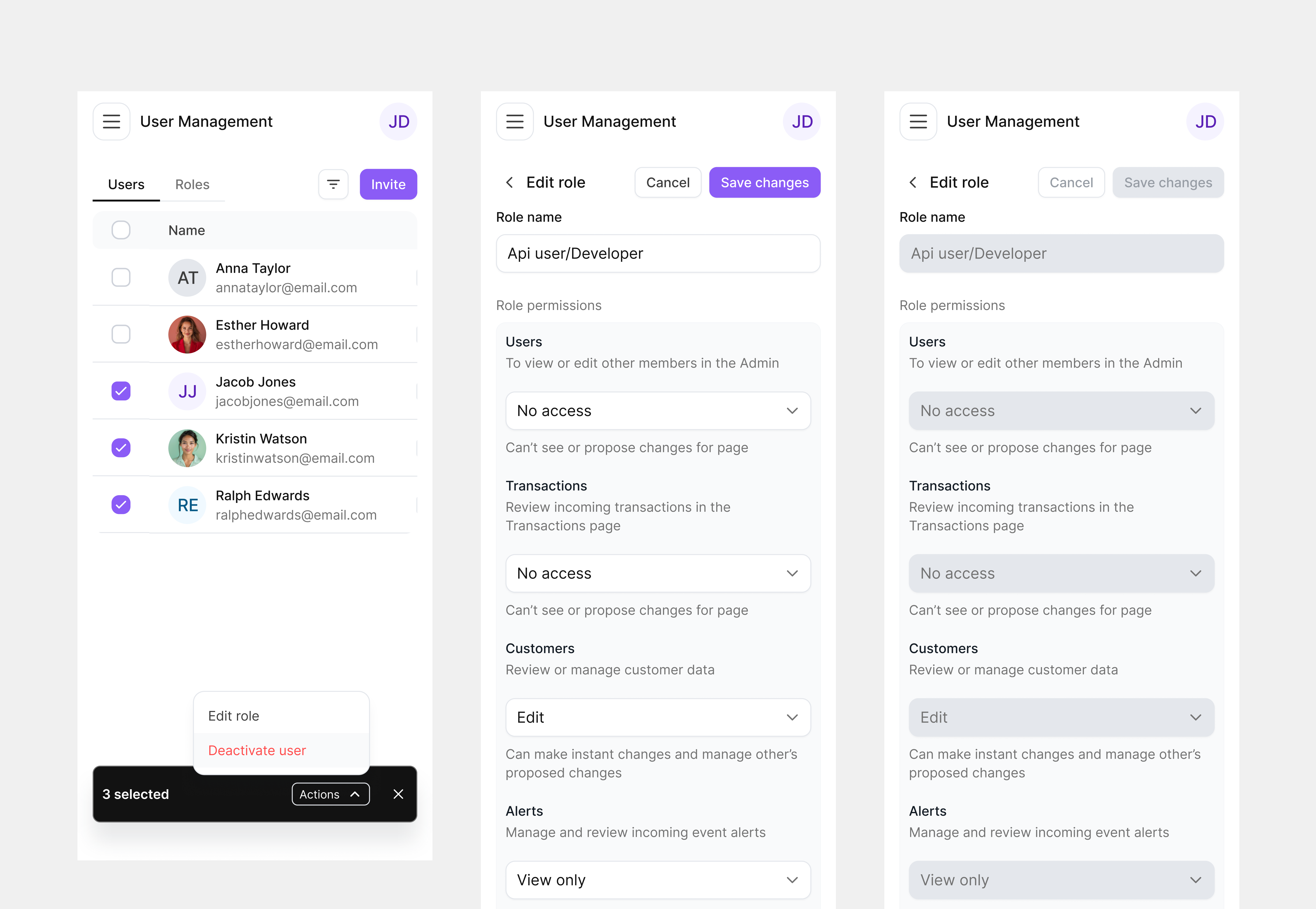
I approached this project with a focus on making complex fraud workflows accessible to analysts without sacrificing power for admins. • PRD deep-dive: Worked closely with the PM to break down requirements into user flows and prioritize features for MVP • Competitive analysis: Studied existing fraud detection platforms to identify UX gaps and opportunities • User role mapping: Designed distinct experiences for Admins, Analysts, Auditors, IT Admins, Compliance Officers, and Support Staff • Iterative prototyping: Created and tested Figma prototypes, refining based on stakeholder and engineering feedback • Design system development: Built a modular component library to ensure consistency and speed up development handoff
Challenges: Balancing Complexity with Usability
Balancing complexity with usability: Fraud analysts need powerful tools, but the interface couldn't overwhelm new users. I solved this through progressive disclosure—surfacing essential actions first while keeping advanced features accessible. Role-based access complexity: Six different user roles with distinct permissions required careful information architecture. I created clear navigation patterns that adapted based on user role without fragmenting the experience. Technical constraints: The system needed to handle 10,000 transactions per second. I worked closely with engineers to ensure UI patterns supported real-time data updates without performance degradation.
Solution: An End-to-End Fraud Monitoring Platform
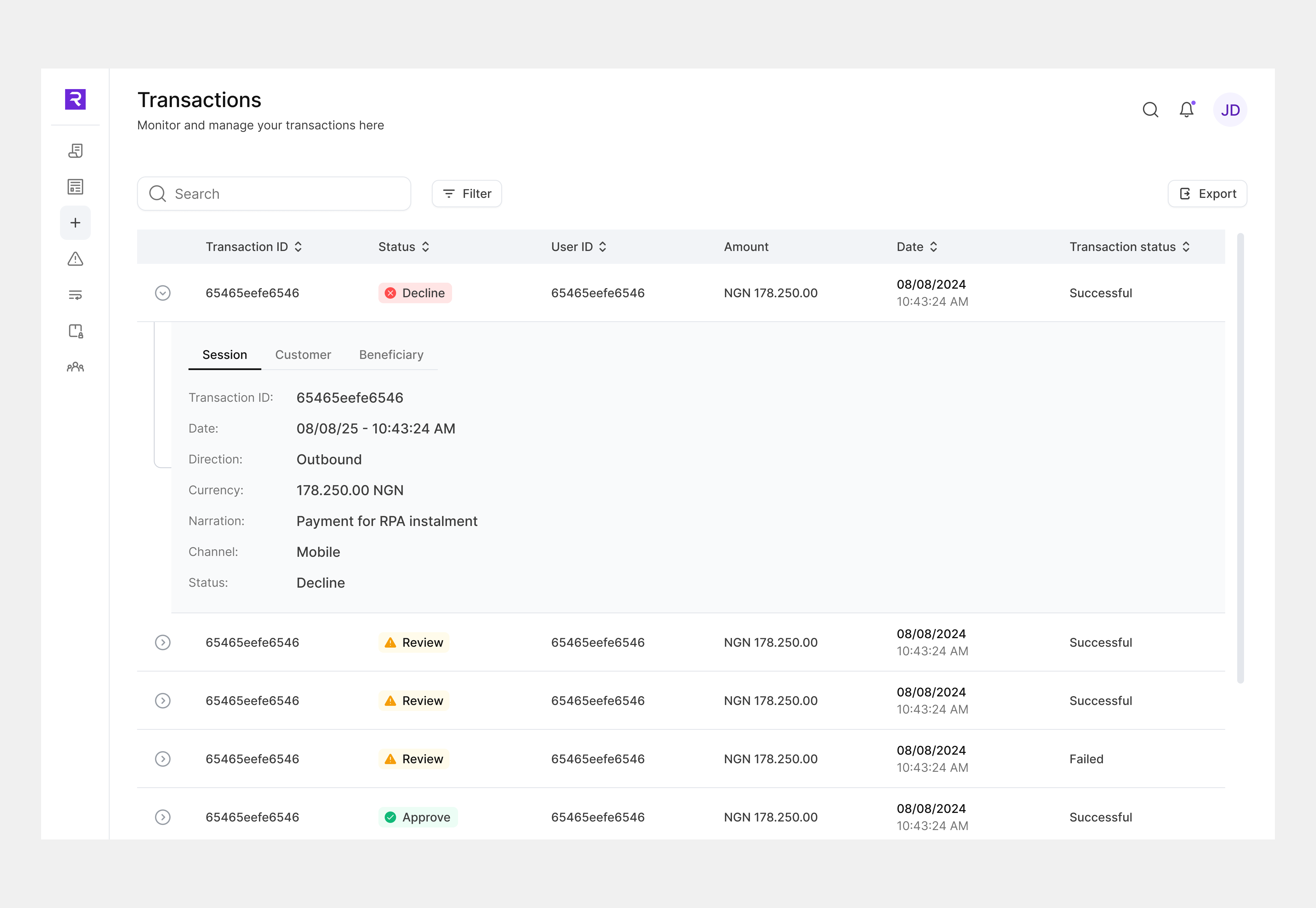
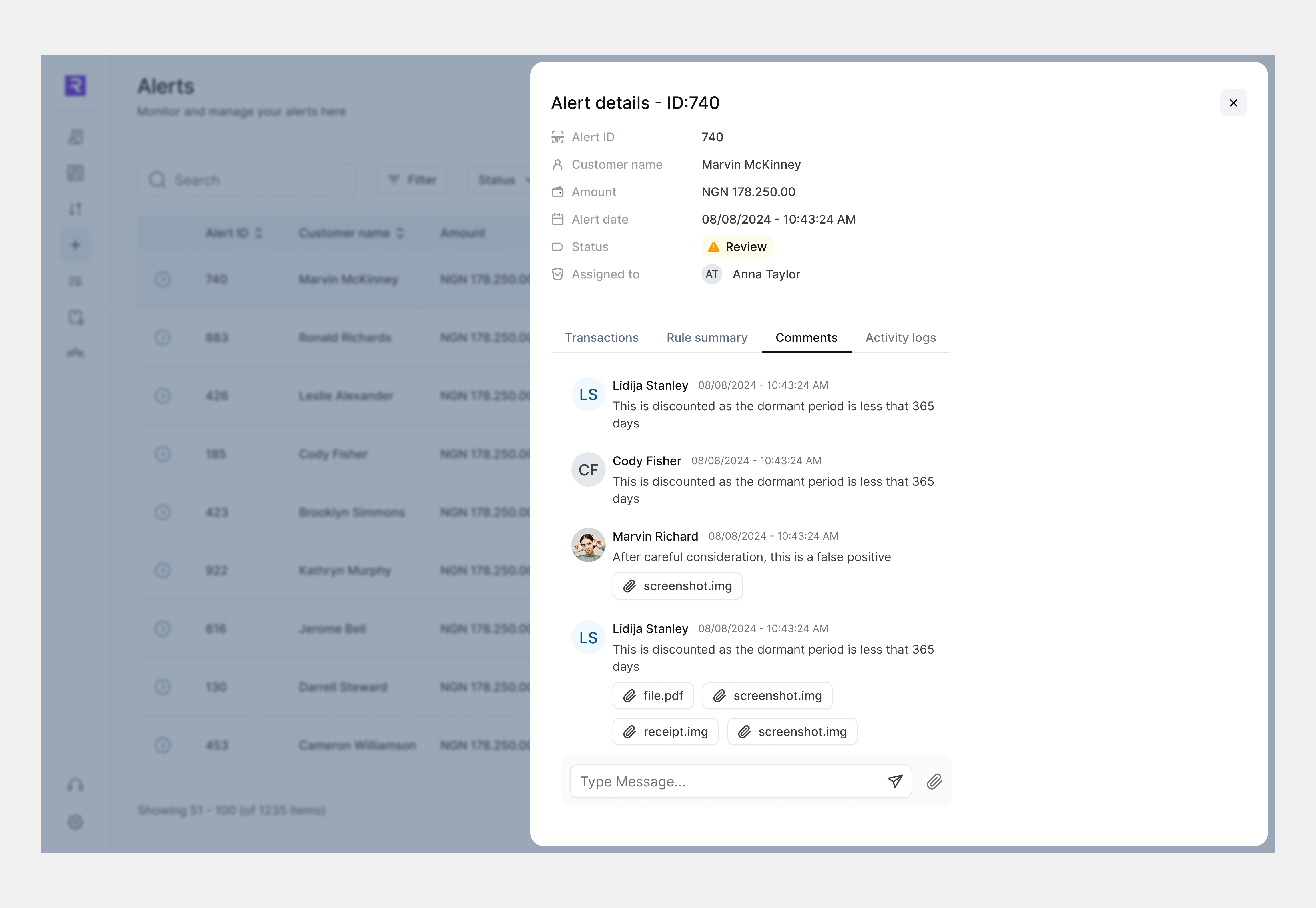
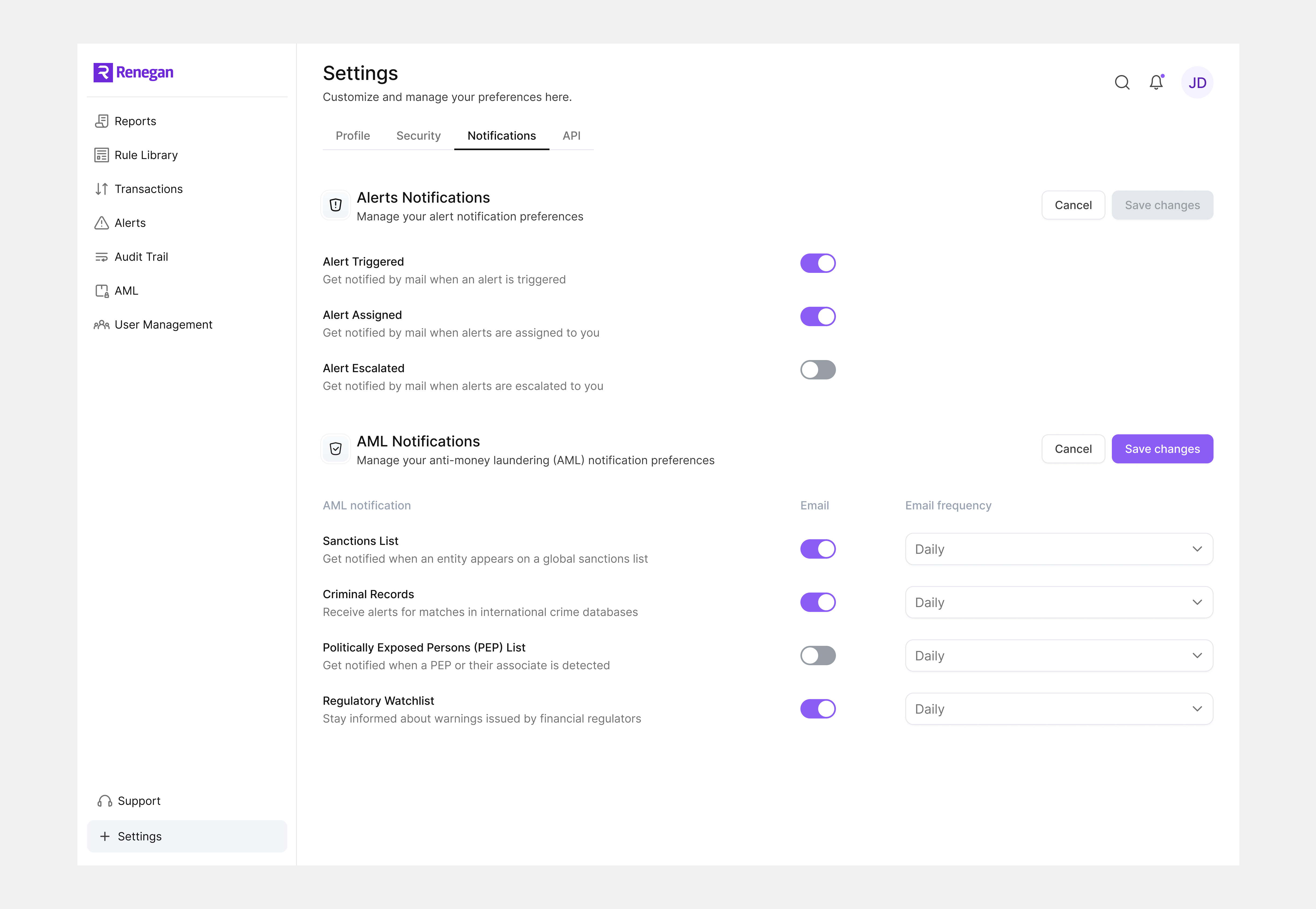
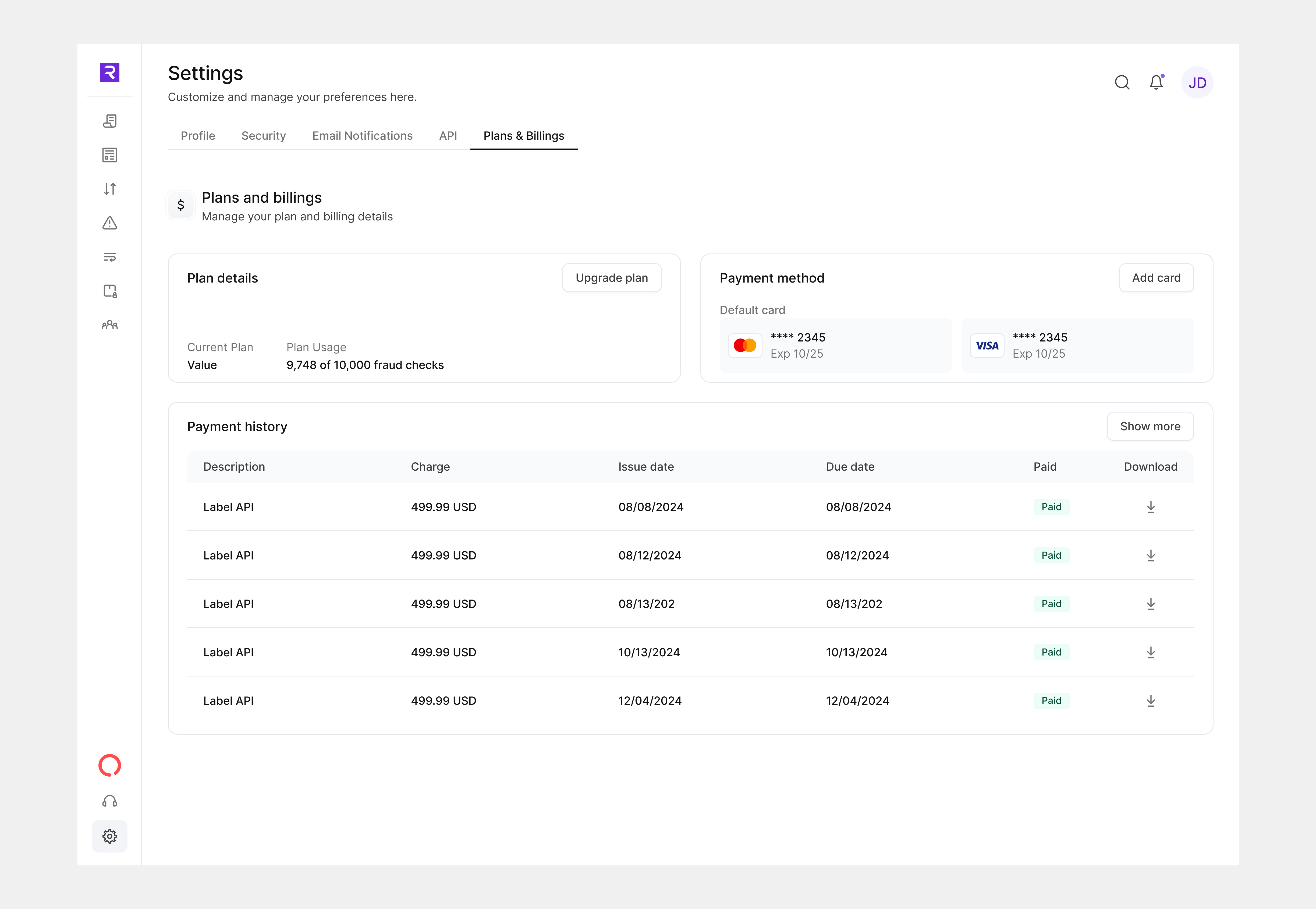
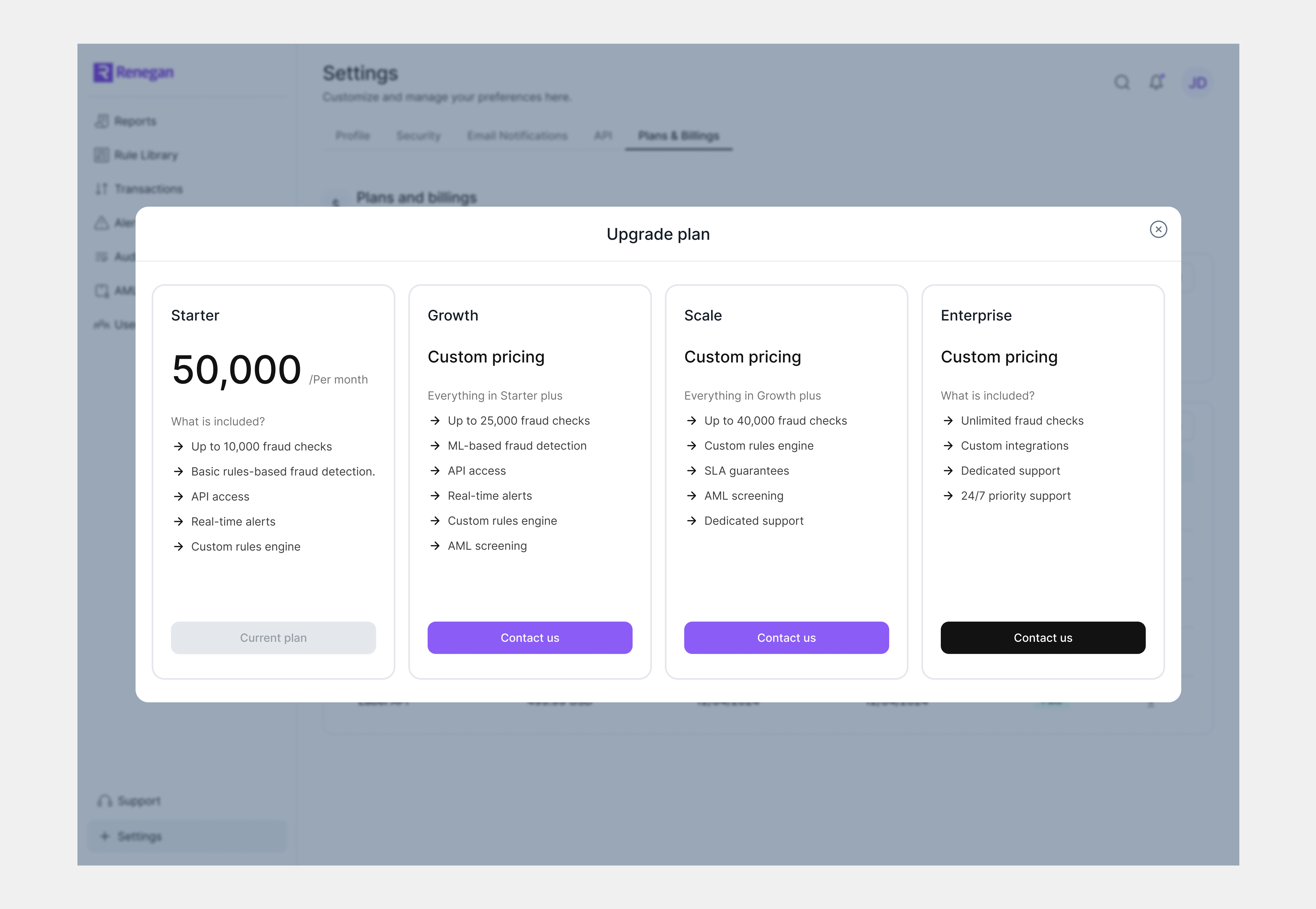
I designed an end-to-end fraud monitoring platform that makes complex detection workflows feel intuitive: • Summary Dashboard: At-a-glance view of transaction health with drill-down capabilities into any flagged transaction • Intuitive Rule Builder: Drag-and-drop interface allowing admins to create custom fraud rules without writing code, with sandbox testing before activation • Transaction Explorer: Powerful search and filter system with risk scoring visualization and one-click escalation • Smart Alerts: Customizable notifications across email, SMS, and in-app with priority levels and batch management • AML Integration: Automated anti-money laundering screening returning risk scores and provider-specific findings • Guided Onboarding: Step-by-step setup flow with interactive demos, reducing time-to-value for new organizations • Dark mode & theming: Reduced eye strain for analysts monitoring transactions for extended periods
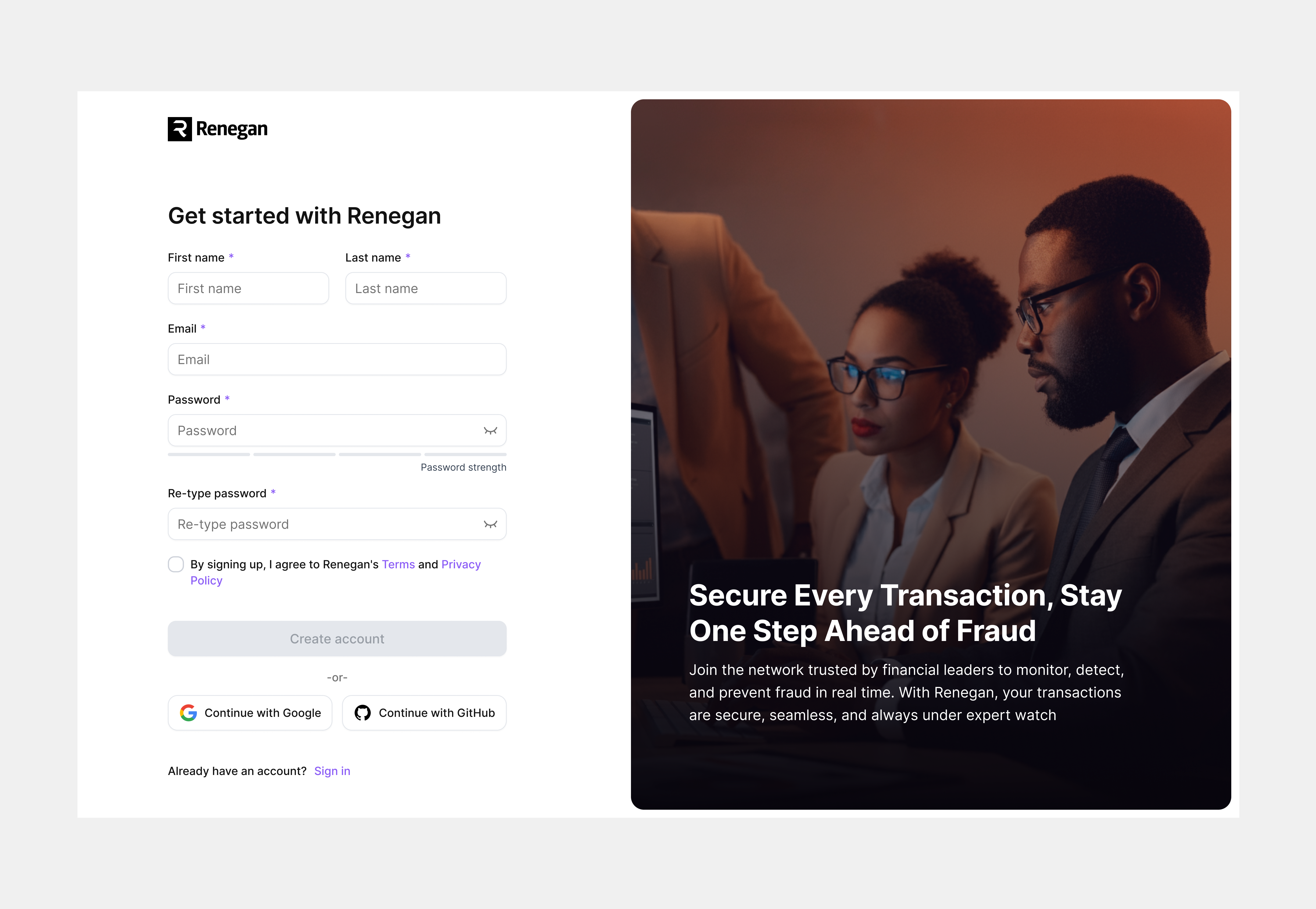
Results: Delivered a Production-Ready Platform
• Met all OKRs: Delivered every milestone on time throughout my 15-month tenure • Highly positive founder feedback: Design quality and execution consistently exceeded expectations • Pre-launch customer validation: Waiting customers expressed excitement about the product, stating they "couldn't wait for it to launch" • Production-ready platform: Renegan is now live and serving banks and fintechs • Scalable design system: Built component library that enabled rapid iteration and consistent handoff to development
Next Steps & Learnings
If I continued: • Expand data visualization tools for deeper fraud trend analysis • Design mobile companion app for on-the-go alert management • Build out CRM integration for customer context during reviews • Implement advanced behavior analytics for predictive fraud detection Key learnings: • Progressive disclosure is essential when designing for both power users and newcomers • Close collaboration with engineering early prevents costly redesigns later • Role-based design requires thinking in permission layers, not just screens
Other projects
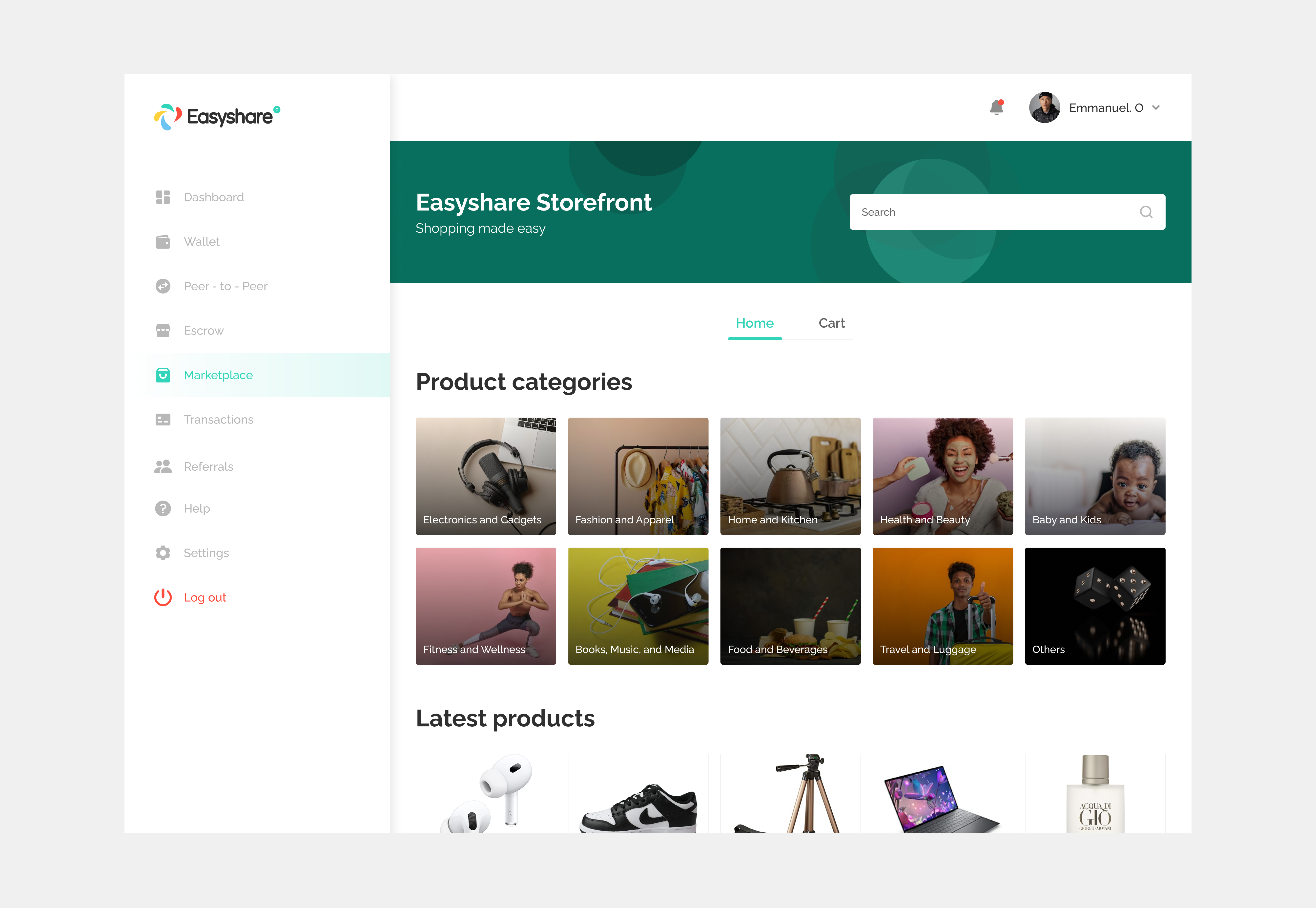
Easyshare.Global – Remodelling the Invoicing Experience to Fit New Business Goals
Redesigned Easyshare's invoicing system to reduce seller friction, introducing Invoice Clone and Seller Storefront features that drove 30% faster invoice creation and 25% increase in monthly active users.
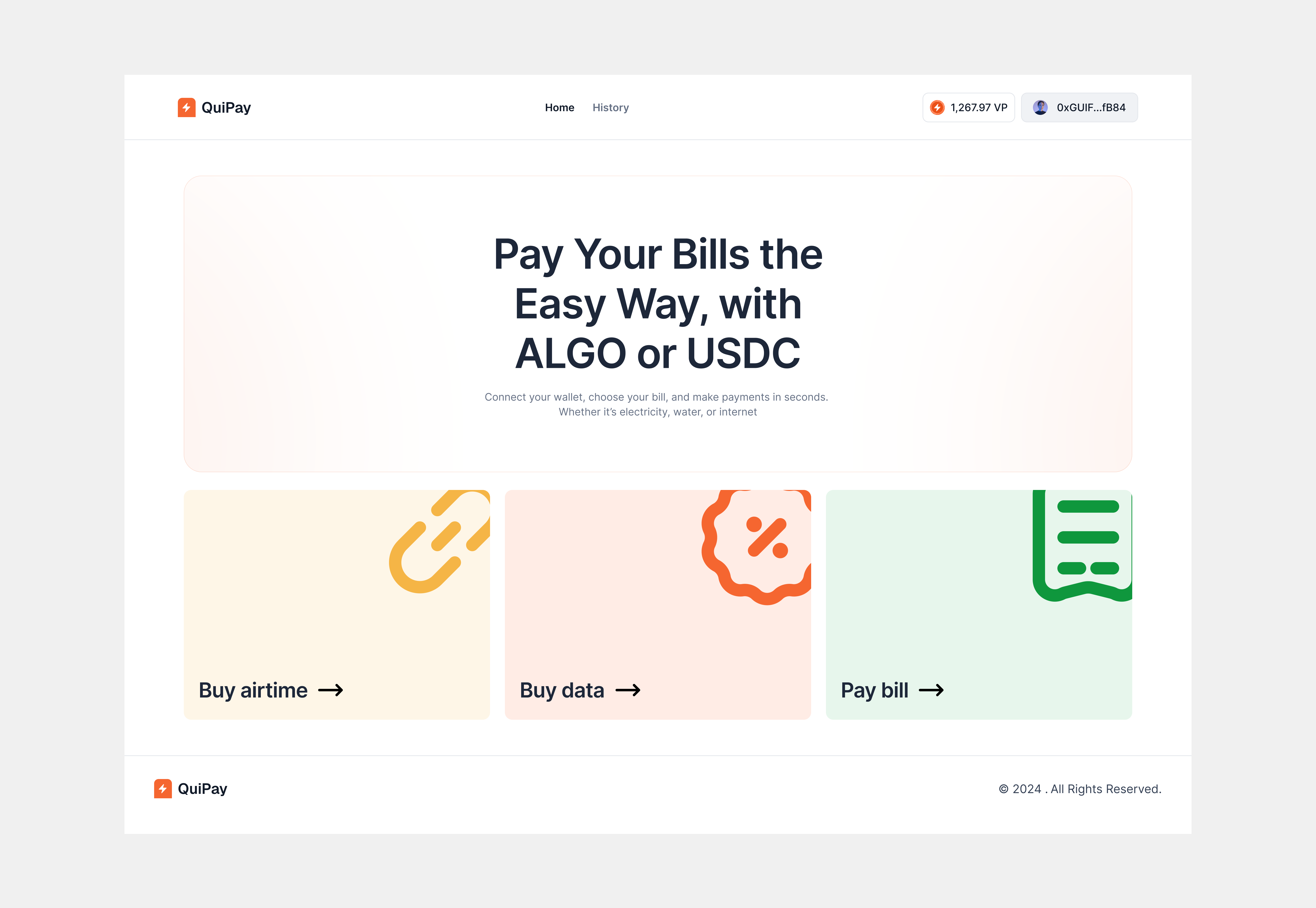
QuiPay – Designing Seamless Everyday Bill Payments with Crypto
Designed QuiPay's fintech experience to simplify payments, boost user confidence, and drive higher transaction completion rates
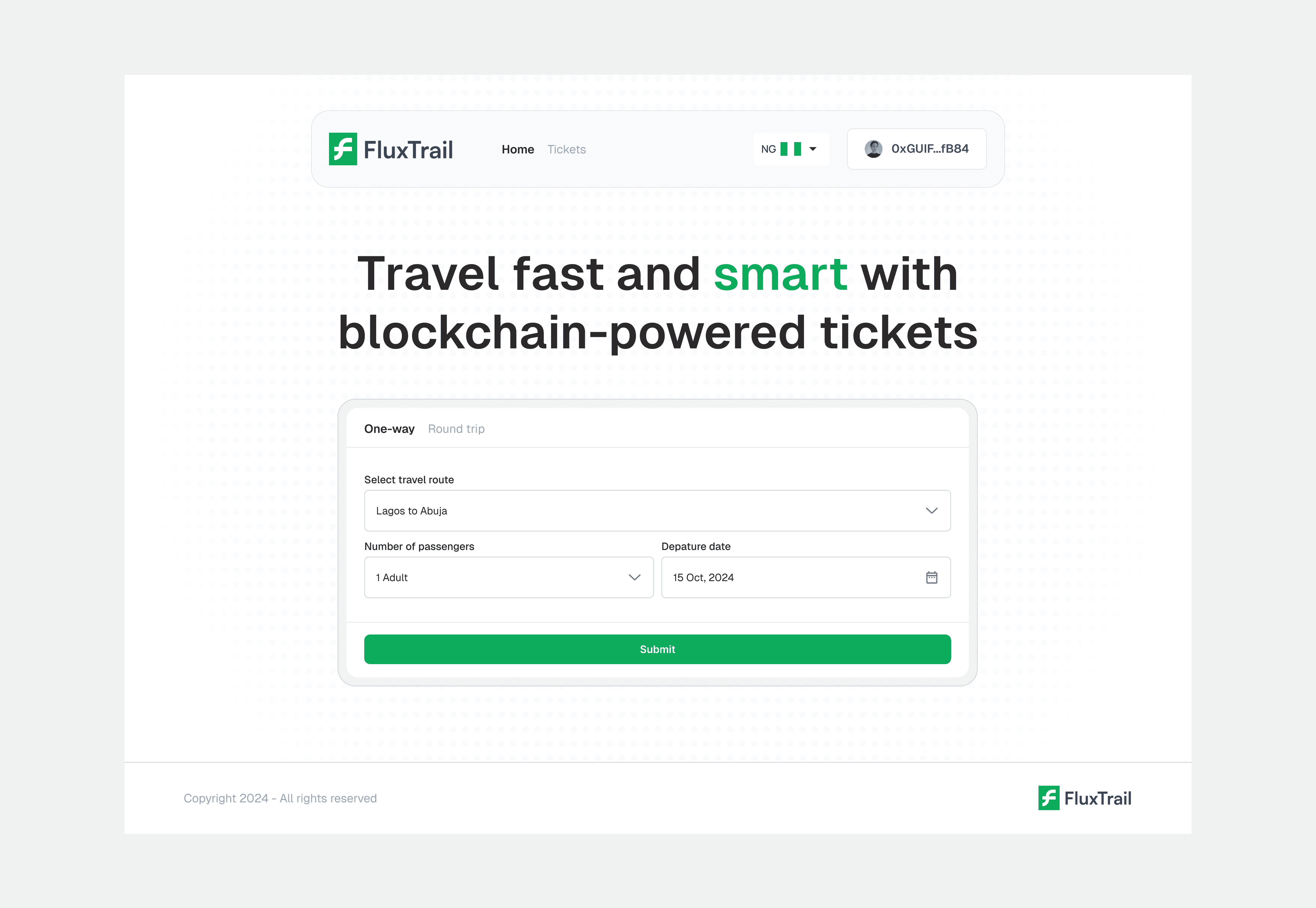
FluxTrail – Decentralizing Transport Ticketing on the Algorand Blockchain
Designed a decentralized transport ticketing platform, streamlining ticket validation, reducing fraud and enabling anonymous travel
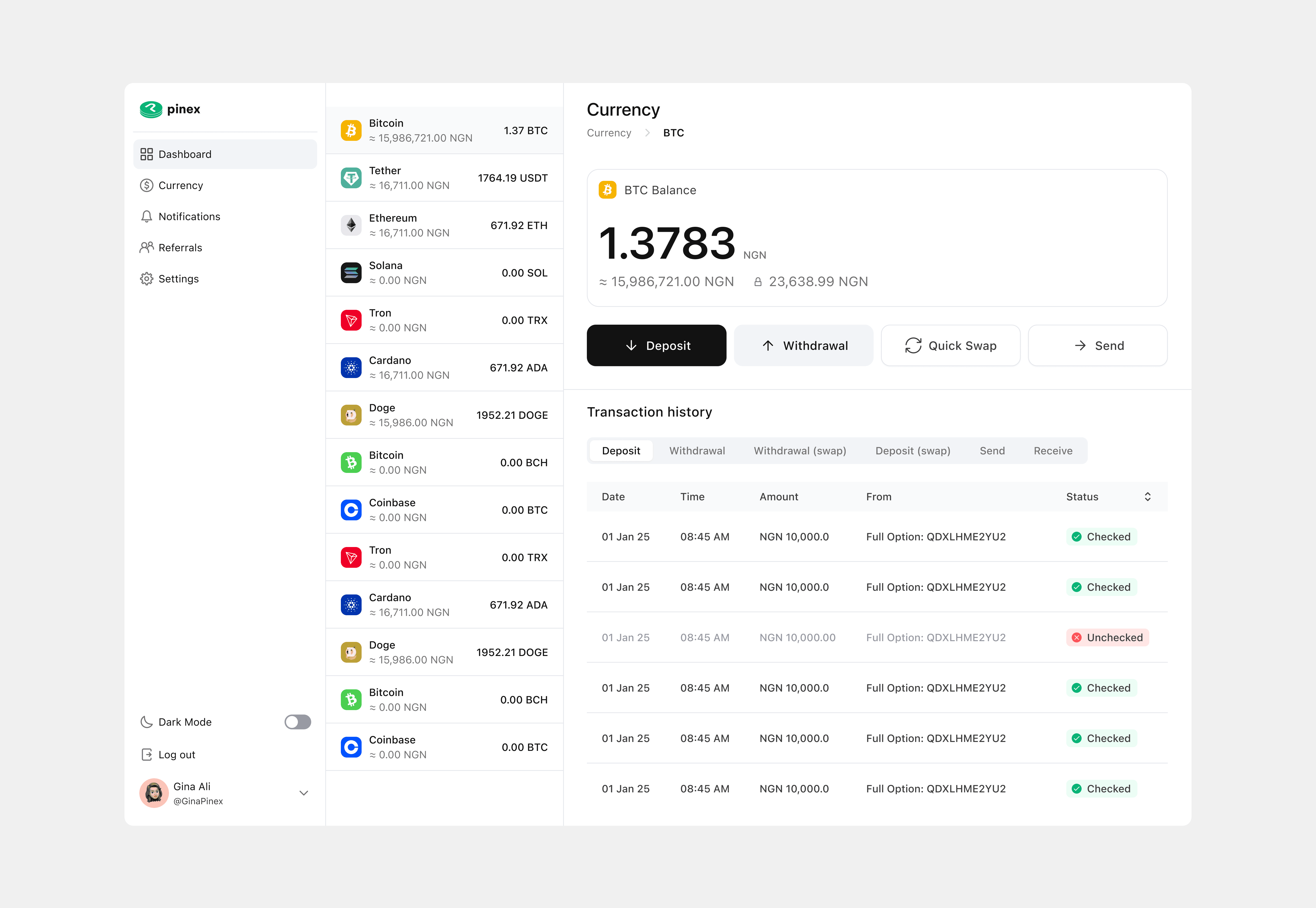
A Crypto Exchange That Almost Was: Lessons from Designing a Multi-Currency Crypto Exchange
Designed a market-fit crypto experience that simplified deposits, swaps, and withdrawals

My 2+ Year Journey at BlockTremp, Designing Learning Experiences that Drove Real Results and Industry Recognition
Led Product, Marketing & Brand Design at Africa BlockChain Alliance on a project called BlockTremp; making tech education accessible to everyday users